10 Days Mara River Crossing
OVERVIEW
Great Migration Tanzania
Experience the Great Migration Tanzania with carefully planned safari journeys through the Serengeti National Park. Our Tanzania safari packages are designed to help you experience the migration, from the calving season in southern Serengeti to the dramatic Mara River crossings in northern Serengeti.
The migration is a continuous natural cycle rather than a single event that happens on one particular date. The location of the herds changes throughout the year according to rainfall, water and the availability of fresh grass. This makes choosing the right safari area and travel period an important part of planning your Tanzania Great Migration safari.
With Sana Wild Experience, you can explore the Serengeti and plan a safari around the season and wildlife experiences that interest you most.
What Is the Great Migration?
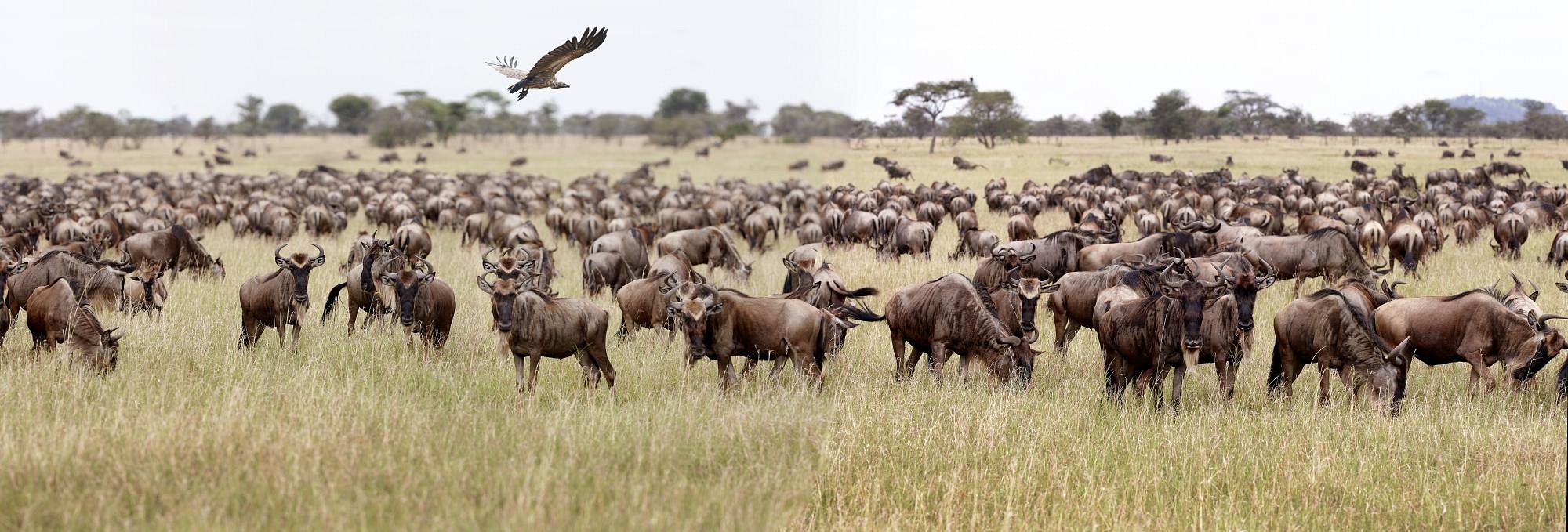
The Great Migration is the annual movement of millions of animals across the Serengeti National Park, where wildebeest, zebras and other wildlife move in search of fresh grazing.
The Great Migration is the annual movement of vast herds of wildebeest (also known as Gnu), zebras, and gazelles across the Serengeti ecosystem in Tanzania and into Kenya’s Maasai Mara.
The Serengeti National Park forms a major part of this ecosystem. As conditions change throughout the year, the animals move between different grazing areas in search of nutritious grass and reliable sources of water.
The movement attracts predators and creates an extraordinary concentration of wildlife across different parts of the Serengeti. Lions, cheetahs, leopards, hyenas and crocodiles can all play a role in the dramatic struggle for survival.
Best Time to See the Great Migration
Because the herds are constantly moving, every season offers a different experience. Understanding the migration cycle can help you choose the best time for your safari.
January to March – Wildebeest Calving Season
During the early months of the year, large numbers of wildebeest gather around the southern Serengeti and nearby plains.
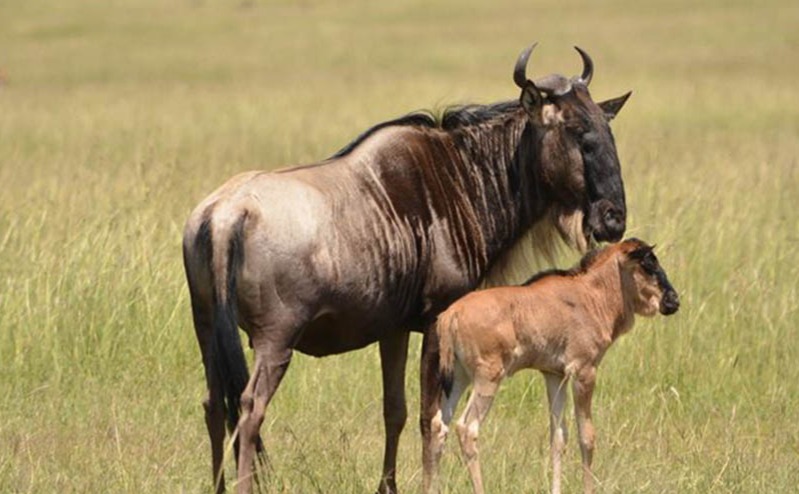
This period is popularly known as the wildebeest calving season, when thousands of calves are born The abundance of young animals also attracts predators, making this period particularly interesting for travelers who enjoy watching predator and prey interactions.
The green plains and young wildlife can provide excellent opportunities for photography and game viewing..
April – May – The Herds start Moving
As the season changes, the herds gradually begin moving away from the southern plains.
Rainfall influences the availability of fresh grazing, so the exact movement varies from year to year. During this period, travelers can still enjoy excellent wildlife viewing while experiencing the Serengeti’s changing landscapes.
The quieter atmosphere in some areas can also appeal to visitors looking for a more relaxed safari experience.
June to July – Migration Toward the North
Around June and July, the herds generally continue their movement toward the western and northern Serengeti.
Large herds of wildebeest and zebras often gather across these areas before continuing their migration toward the Mara River. During this stage of the journey, visitors may witness long lines of animals moving steadily across the vast open plains as they follow their seasonal migration route.
This period is popular with travelers who want to follow the migration as it progresses north.
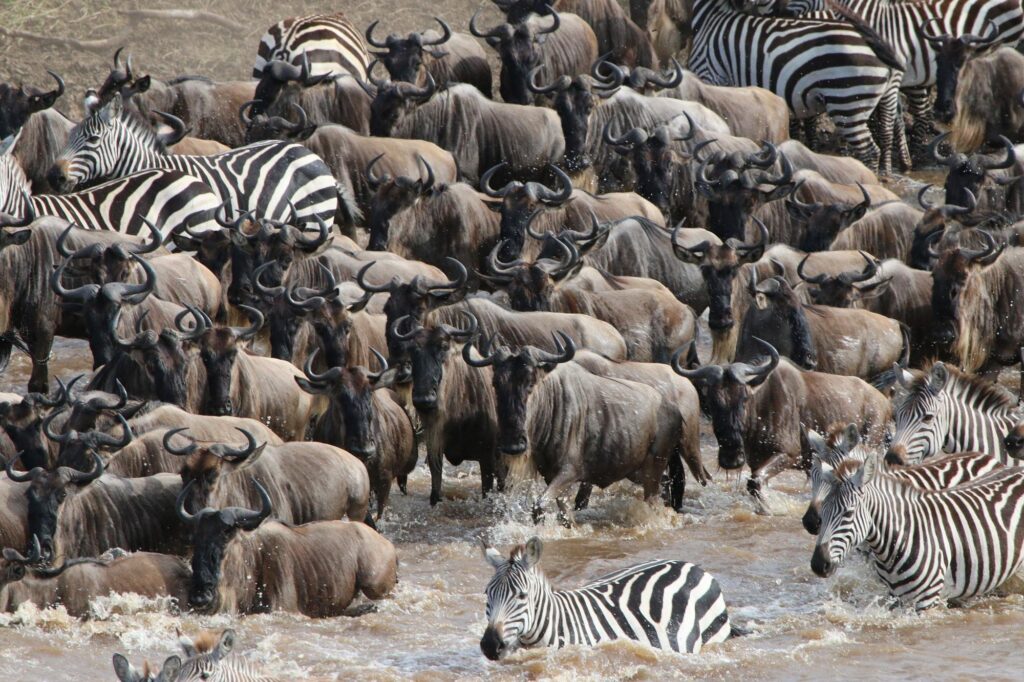
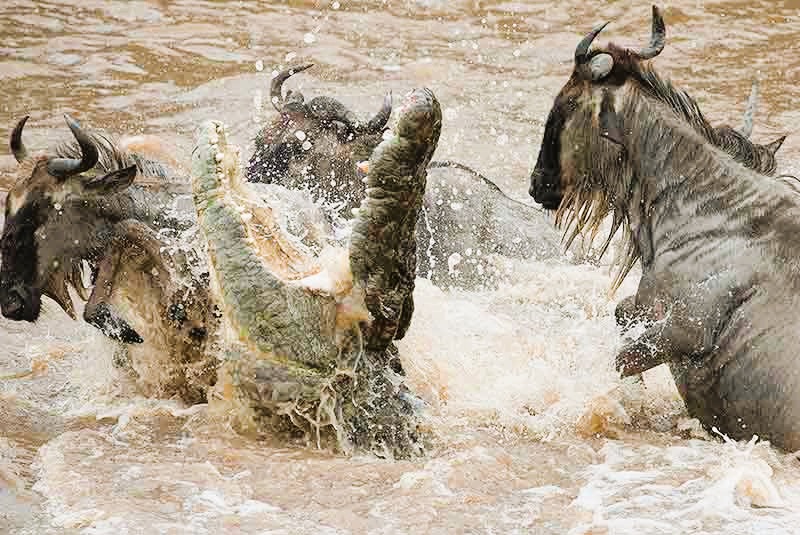
The period from August to October is known as the Mara River Crossing Season. This period is well known for the dramatic river crossings, as huge herds move from the northern Serengeti toward the Mara River.. As they attempt to cross, they face challenging conditions such as strong currents, steep banks, and the presence of crocodiles in the river.
As the herds reach the northern Serengeti, they often gather along the river before making their way across.. The animals face strong currents, steep banks and crocodiles in the water.
However, river crossings are unpredictable. The animals may remain near the river for some time before crossing, and no safari company can guarantee that a crossing will happen during a particular game drive.
For this reason, experienced guides and choosing the right location can be important when planning a river-crossing safari
Between November and December, the herds begin moving back toward the southern Serengeti, continuing their seasonal migration across the vast plains.
With the arrival of the short rains, the herds begin moving south again.
Fresh grass becomes available across the southern plains, encouraging the animals to return toward the areas where the migration cycle will eventually begin again.
The year therefore comes full circle, leading back toward the calving season.
If seeing a river crossing is your main goal, planning a safari in the northern Serengeti during the appropriate season can increase your chances. If newborn animals and predator activity interest you more, the calving season may be a better choice.
Where to See the Great Migration in Tanzania
The Great Migration in Tanzania moves through different parts of the Serengeti throughout the year. The location of the wildebeest herds changes depending on rainfall, food availability, and the seasonal migration cycle. From the calving grounds of the Southern Serengeti to the dramatic river crossings in the north, each region offers a different way to experience the wildebeest migration.
The Southern Serengeti is one of the most important areas of the Great Migration, particularly from around January to March. During this period, large herds of wildebeest gather across the short-grass plains, where the availability of fresh grass provides ideal conditions for calving.
This is often an excellent time to see newborn wildebeest, zebra and other wildlife, while predators such as lions, cheetahs and hyenas take advantage of the abundance of young animals. A Southern Serengeti safari during the calving season can therefore combine spectacular wildlife viewing with an important stage of the annual migration.
Central Serengeti
Central Serengeti, including the Seronera area, is an important wildlife region where the migration can be experienced at different times of the year. The area’s permanent water sources and abundant wildlife make it a popular destination for a Serengeti safari.
The wildebeest herds may pass through Central Serengeti as they move between the southern plains and the western and northern parts of the ecosystem. This region is also well known for its resident wildlife, including lions, leopards, cheetahs, elephants and large numbers of plains game.
For travelers who want to combine the Great Migration Tanzania with year-round wildlife viewing, Central Serengeti is a valuable part of a safari itinerary.
Western Serengeti
The Western Serengeti becomes particularly important as the wildebeest herds move north and west after the calving season. Around the Grumeti area, visitors may have opportunities to see large concentrations of wildebeest and zebra as they continue their journey.
The Grumeti River is among the notable features of this part of the migration route. Depending on the timing and movement of the herds, travelers may witness dramatic river crossings and large groups of animals gathering near the water.
A Western Serengeti safari can also provide excellent opportunities to see resident wildlife away from some of the busier areas of the park.
Northern Serengeti
The Northern Serengeti is one of the most sought-after areas for experiencing the Great Migration, particularly from around July to October. During this period, large herds head toward the northern Serengeti and the Mara River as they continue their journey into the Masai Mara ecosystem in Kenya.
The Mara River crossings are among the most famous moments of the wildebeest migration. However, the exact timing and location of crossings are unpredictable, as the animals respond to weather, water levels and grazing conditions.
Beyond the migration itself, Northern Serengeti offers excellent opportunities to see lions, leopards, elephants, giraffes and other wildlife. For travelers planning a Great Migration safari in Tanzania, the northern Serengeti can be an ideal choice during the months when the herds are in the region.
Tanzania Safari Packages for the Great Migration
Our Tanzania safari packages are designed around the seasonal movements of the wildebeest migration. Choose from different itineraries or contact us to create a private Great Migration safari based on your travel dates.
Wildebeest Calving Safari – Ndutu
Serengeti Wildebeest Migration Safari
Mara River Crossing Safari Tanzania
Wildlife You Can See During the Migration
.Although wildebeest are the most famous animals involved in the migration, the Serengeti supports a remarkable variety of wildlife.
During a Great Migration safari, you may encounter:
- Wildebeest
- Zebras
- Thomson’s gazelles
- Grant’s gazelles
- Lions
- Leopards
- Cheetahs
- Hyenas
- African elephants
- Buffalo
- Giraffes
- Crocodiles
- Numerous species of birds
The large number of grazing animals provides an important food source for predators, making the migration an excellent opportunity for observing natural wildlife behaviour.
Great Migration Safari from Arusha
Many Great Migration Tanzania itineraries combine the Serengeti with Ngorongoro Crater for a broader Northern Tanzania safari experience.
A Serengeti itinerary can also be combined with other well-known destinations such as Tarangire National Park, the Ngorongoro Conservation Area, and Lake Manyara National Park.
The number of days you have available will influence how many destinations can comfortably be included. Longer itineraries allow more time in the Serengeti and increase the opportunity to explore different areas of the park.
Sana Wild Experience can help you design a private Tanzania safari according to your travel dates, interests, accommodation preferences and budget.
Great Migration Safari for Wildlife Photographers
The Great Migration offers outstanding opportunities for wildlife photography.
Huge herds crossing open grasslands, predators following the migration and the changing Serengeti landscapes can create memorable photographic moments.
River crossings can be particularly dramatic, but photography during these events requires patience. The animals do not follow a schedule, so spending several days in the right area can provide better opportunities than trying to predict a crossing at a specific hour.
An experienced safari guide can also help you find good wildlife-viewing locations while maintaining appropriate distance from the animals.
Why Experience the Great Migration with Sana Wild Experience?
From planning your itinerary to choosing the right safari experience, Sana Wild Experience can help you create a memorable Tanzania safari.
We can help you choose suitable destinations and safari areas based on your travel dates and interests, whether you are hoping to experience the calving season, follow the herds through the Serengeti or search for a Mara River crossing.
Our goal is to make your time in Tanzania enjoyable, flexible and focused on the wildlife experiences you value most.
Frequently Asked Questions About the Great Migration
What is the Great Migration Tanzania?
The Great Migration Tanzania is the annual movement of large herds of wildebeest, zebras and other grazing animals through the Serengeti ecosystem in search of fresh grass and water. It is a continuous natural cycle, with different parts of the journey offering different wildlife experiences throughout the year.
What is the best time to spot the migration?
There is no single best month because the herds move throughout the year. January to March is particularly interesting for the calving season in the southern Serengeti and Ndutu area, while later in the year the herds move through the central and northern Serengeti. The best time depends on which part of the migration you want to experience.
Where is the ideal place to experience the migration in Tanzania?
The main place to experience the migration in Tanzania is Serengeti National Park. Depending on the season, the herds can be found in areas including the southern, central and northern Serengeti. Your safari route should be planned around the expected location of the herds during your travel dates.
Can I see the Great Migration all year round?
Yes. The migration is a year-round natural cycle rather than a single event that happens during one particular month. The location of the herds changes as they search for fresh grazing and water, so each season offers a different experience.
When can I see the wildebeest calving season?
The main calving season takes place from January to March in the southern Serengeti and its surrounding plains.. This is a wonderful time to witness thousands of newborn wildebeest taking their first steps, while the arrival of so many young animals brings increased excitement as lions, cheetahs, and other predators move in search of an easy meal.
When is the Mara River crossing?
The Mara River crossings generally take place when the migrating herds reach the northern Serengeti and the wider Serengeti-Mara ecosystem. The exact timing cannot be guaranteed because the animals respond to rainfall, grazing conditions and other natural factors. This makes the crossing a spectacular but unpredictable wildlife experience.
Is the Great Migration guaranteed on a Tanzania safari?
No wildlife sighting can be guaranteed. The migration follows natural conditions, and the herds can change direction or location depending on rainfall, food and water availability. An experienced safari guide can help monitor the herds and adjust the safari route when possible.
How long should I spend on a Great Migration Tanzania safari?
For a Great Migration safari, around 5 to 8 days can provide a good balance of travel time and wildlife viewing. Longer safaris allow you to explore more areas of the Serengeti and combine the migration experience with destinations such as Ngorongoro Crater or Tarangire National Park
What animals can I see during the Great Migration?
Wildebeest are the main animals associated with the migration, but they travel alongside large numbers of zebras and gazelles. The movement of the herds also attracts predators such as lions, cheetahs, leopards and hyenas, creating excellent opportunities for wildlife viewing.
Can I combine the Great Migration with other Tanzania safari destinations?
Yes. A Great Migration safari can be combined with other Northern Tanzania destinations depending on your available time and travel plans. Popular combinations include Serengeti, Ngorongoro Crater and Tarangire National Park.
How can I book a Great Migration Tanzania safari?
You can explore our Tanzania safari packages or contact Sana Wild Experience to plan a private Great Migration safari around your preferred travel dates, interests and budget. We can help you choose an itinerary based on the expected location of the herds during your visit.
Plan Your Great Migration Tanzania Safari
Ready to experience the Great Migration? Explore our Tanzania safari packages or contact Sana Wild Experience to create a private safari tailored to your travel dates and interests.
The Great Migration is constantly changing, which is part of what makes it such an extraordinary natural experience. The exact location of the herds cannot be guaranteed, but choosing the right season and safari area can give you a better opportunity to experience this remarkable journey.
Whether you are interested in wildebeest calving, large herds moving across the Serengeti plains or the possibility of witnessing a Mara River crossing, Sana Wild Experience can help you plan your safari around your interests.