10 Days Mara River Crossing
Discover the Wild Side of Ndutu
The Ndutu Southern Serengeti region offers a safari experience shaped by the changing seasons. Its wide plains, scattered acacia woodland, lakes and grazing areas create an environment that changes dramatically throughout the year.
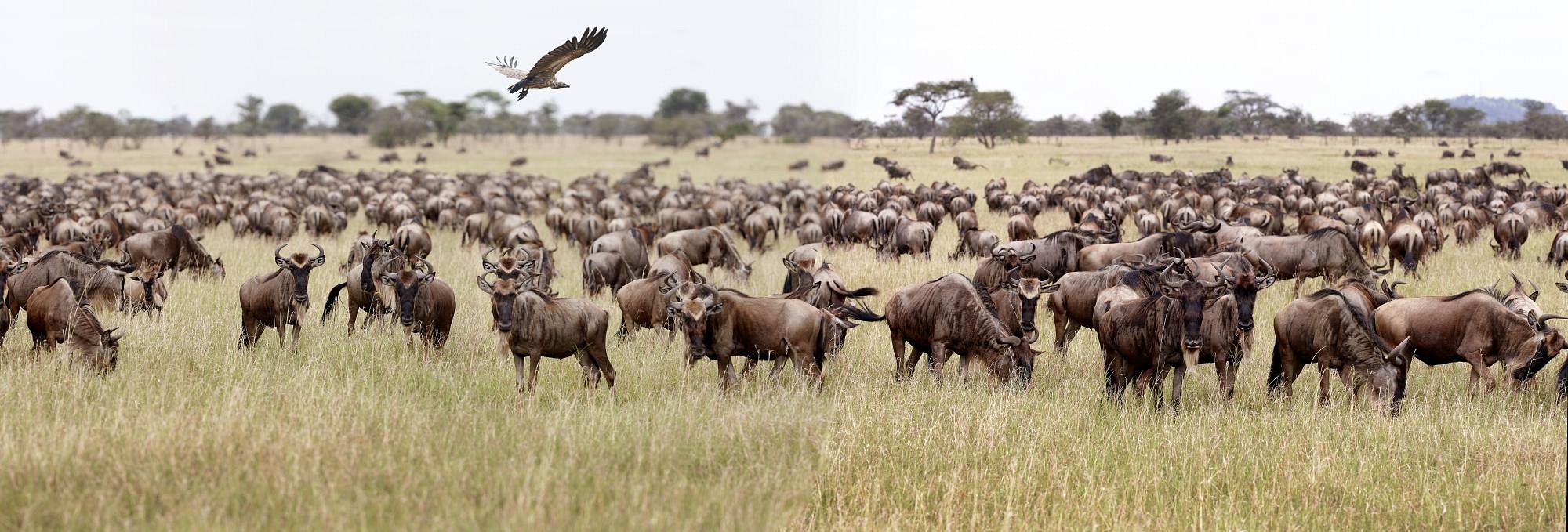
Ndutu becomes particularly important when the migration herds move south in search of fresh grass. At the right time of year, thousands of wildebeest and zebras can be seen across the plains, making this part of Tanzania one of the most fascinating places to follow the natural movement of wildlife.
What makes Ndutu special is not only the number of animals. The area tells a different story with every season—from large herds searching for grazing to the arrival of newborn calves and the predators that follow them.
A journey with Sana Wild Experience allows you to experience Ndutu as part of a personalised Tanzania safari planned around when you travel and what you want to see.
Where Is Ndutu Located?
Ndutu is situated within the wider southern Serengeti ecosystem, in an area linking the Serengeti plains with the Ngorongoro Conservation Area.
The scenery is varied rather than uniform. Open grasslands stretch across much of the region, while woodland, shallow lakes, marshy areas and seasonal water sources create different habitats for wildlife.
This location also makes Ndutu a practical addition to a safari itinerary that includes both Serengeti National Park and the Ngorongoro Conservation Area.
Visitors can therefore experience several distinct landscapes without travelling across completely separate regions of Tanzania.
Ndutu and the Great Migration
For travellers interested in the Great Migration Tanzania, Ndutu can be an important destination during the southern stage of the annual wildlife movement.
The herds do not follow a fixed timetable. Rainfall plays a major role in determining where the animals find fresh grazing, which means their exact location can vary from one year to another.
When conditions are favourable, large numbers of wildebeest and zebras gather on the southern plains around Ndutu. The sight of animals spread across the landscape is very different from the migration scenes associated with river crossings in northern Serengeti.
Ndutu is especially well known for the period when the wildebeest herds produce their young.
If you would like to understand how the migration moves through Tanzania during different months, visit our Great Migration Tanzania page.
Ndutu Calving Season
The Ndutu calving season brings one of the most dramatic changes to the southern Serengeti.
As grazing conditions improve, large wildebeest herds remain on the plains, and many females give birth within a relatively short period. The landscape quickly becomes filled with mothers and young calves beginning their first days of life.
This stage of the migration creates excellent opportunities to observe natural behaviour. Young animals must quickly learn to follow the herd, while predators take advantage of the increased availability of prey.
Lions, cheetahs and hyenas may all become part of the daily wildlife story, although every sighting depends entirely on natural conditions.
Because the movement of the herds is influenced by rainfall, no exact date can guarantee the same experience every year.
.
Wildlife in Ndutu Southern Serengeti
The migration is a major attraction, but it is not the only reason to visit Ndutu Southern Serengeti.
The different habitats in the region support a variety of resident and seasonal wildlife. During your safari, you may see:
- Wildebeest
- Zebra
- Lion
- Cheetah
- Leopard
- Spotted hyena
- Jackal
- Giraffe
- Elephant
- Gazelle
- Impala
- Bat-eared fox
The open country can offer excellent visibility, especially when animals are moving across the grasslands. Woodland areas provide a different setting and can reveal species that are less visible on the plains.
Wildlife sightings are never identical from one game drive to another, which is part of what makes a safari in Ndutu so rewarding.
Things to Do in Ndutu
Explore Ndutu on Game Drives
Game drives are the main way to discover the Ndutu region.
Your route can change according to wildlife activity, the position of the migration herds and recent conditions in the area. One drive may focus on wildebeest and zebra, while another may lead to predators or resident wildlife.
The flexibility of a safari allows each day to follow what is happening in nature rather than repeating exactly the same route.
Follow the Great Migration
During the southern migration period, Ndutu provides a chance to witness an important chapter of the Great Migration Tanzania.
Here, the experience is centred around grazing herds, green plains and the arrival of new life. It offers a completely different perspective from the famous Mara River crossings later in the migration cycle.
For travellers interested in animal behaviour and the natural life cycle of the Serengeti, this period can be particularly rewarding.
Enjoy Wildlife Photography
Ndutu offers wide views with very little interruption, creating opportunities for landscape and wildlife photography.
Changing weather can produce dramatic clouds and light, while the open plains allow photographers to capture animals within their natural surroundings.
The area is suitable for both experienced photographers and travellers who simply want memorable safari photographs.
Look for Birds
Ndutu is also worth exploring for its birdlife.
The combination of open plains, woodland and seasonal water areas creates opportunities to see different species during a safari. Birdwatching can easily become part of your game drives without requiring a separate activity.
Best Time to Visit Ndutu
The right time to visit Ndutu depends on the experience you are hoping to have.
Travellers whose main interest is the Ndutu calving season usually plan their safari around the months when the migration herds use the southern plains. This period is generally associated with the green season.
December to March
This is the period most closely associated with the migration herds in the Ndutu and southern Serengeti area.
Fresh grass can attract large numbers of grazing animals, and the calving period usually takes place during this part of the year.
For many travellers, this is the most interesting time to visit Ndutu.
April to May
Rain can become more frequent, and the landscape often remains green and attractive.
Road conditions may become more challenging in some places, while the migration herds gradually begin changing their position as seasonal conditions evolve.
June to November
During these months, the largest migration herds are usually found in other areas of the wider Serengeti ecosystem.
Ndutu can still offer wildlife experiences, but travellers specifically following the migration may prefer another location depending on their travel dates.
Sana Wild Experience can help match your safari destination with the expected location of the wildlife during your journey.
Where to Stay in Ndutu
.The Ndutu area offers a selection of safari camps and accommodation options for different types of travellers.
Tented camps are a popular choice for visitors who want to stay close to the natural surroundings. Depending on the season, some camps are located in areas that provide easier access to important wildlife zones.
Choosing where to stay should depend on your itinerary, comfort preferences, budget and—especially during migration season—the expected location of the animals.
Sana Wild Experience can help you choose accommodation that works well with your planned route and safari experience.
How to Get to Ndutu
Ndutu is normally visited as part of a wider Northern Tanzania safari.
A common route begins in Arusha and continues through the Ngorongoro highlands before reaching the Ndutu area. From there, travellers may continue towards other parts of the Serengeti.
Your route can be designed according to your available number of days and the seasonal position of the migration.
Combination Safari Routes
Arusha → Ngorongoro → Ndutu → Serengeti
Arusha → Tarangire → Ngorongoro → Ndutu → Serengeti
The most suitable route will depend on your travel dates, safari duration and where the migration herds are expected to be during your visit.
Frequently Asked Questions About Ndutu Southern Serengeti
Where exactly is Ndutu?
Ndutu is found in northern Tanzania within the greater Serengeti ecosystem. The area sits close to the boundary between the southern Serengeti and the Ngorongoro Conservation Area, making it a convenient stop on a safari that explores both regions.
Why do travellers visit Ndutu?
Ndutu is especially popular because of its connection to the Great Migration Tanzania. At certain times of the year, large herds move across the surrounding plains in search of fresh grazing. The area is also widely known for the Ndutu calving season, when many young wildebeest are born.
What is the best period for visiting Ndutu?
Your ideal travel time depends on the type of safari experience you are looking for. Visitors hoping to see large migration herds and newborn wildebeest often consider the period from December through March. Since rainfall influences the movement of animals, however, nature can follow a slightly different pattern each year.
When do wildebeest give birth in Ndutu?
Most of the well-known calving activity in the Ndutu area happens during the first part of the year. January to March is commonly associated with the peak period, although the timing can shift according to rainfall and the movements of the herds.
Can the Great Migration be seen in Ndutu?
Yes. Ndutu can be an excellent location for following the southern stage of the Great Migration Tanzania. When the plains provide good grazing, large numbers of wildebeest and zebras may gather in the region.
Which animals might I see during a Ndutu safari?
Ndutu offers more than migration herds. Depending on the season, visitors may encounter lions, cheetahs, hyenas, giraffes, gazelles and other wildlife, alongside large numbers of wildebeest and zebras. What you see on a particular day will always depend on natural animal movements.
Is Ndutu a good place for safari photography?
Absolutely. The open scenery gives photographers clear views of wildlife, while the migration season can bring large herds and interesting predator behaviour. During the greener months, the changing light and landscapes can also add variety to wildlife photographs.
Is it possible to visit Ndutu, Serengeti and Ngorongoro on one safari?
Yes. These destinations work well together because they are all part of northern Tanzania’s famous safari circuit. Combining them allows you to experience the open plains of Ndutu, the wider Serengeti landscapes and the unique environment of the Ngorongoro Conservation Area during one trip.
How much time should I allow for Ndutu?
There is no single answer because the right amount of time depends on your complete itinerary and travel goals. Ndutu can be included as part of a longer safari, while spending additional time in the area can give you more flexibility to follow wildlife activity and changing migration conditions.
Plan Your Ndutu Safari with Sana Wild Experience
Ready to experience the wildlife and changing landscapes of Ndutu Southern Serengeti? Whether you want to witness the Ndutu calving season, follow the Great Migration Tanzania, or combine Ndutu with Serengeti and Ngorongoro, Sana Wild Experience can help you plan a safari that matches your travel dates and interests.
Explore our Tanzania Safari Packages for inspiration and discover different ways to experience Tanzania’s most remarkable wildlife destinations. If you would like a personalised itinerary based on your budget, preferred travel dates and safari interests, contact Sana Wild Experience and let our team help you plan your journey.
Start planning your unforgettable Ndutu safari with Sana Wild Experience today.