Serengeti Wildebeest Migration Safaris | 2026 & 2027

Safari Overview

The World’s Greatest Wildlife Spectacle

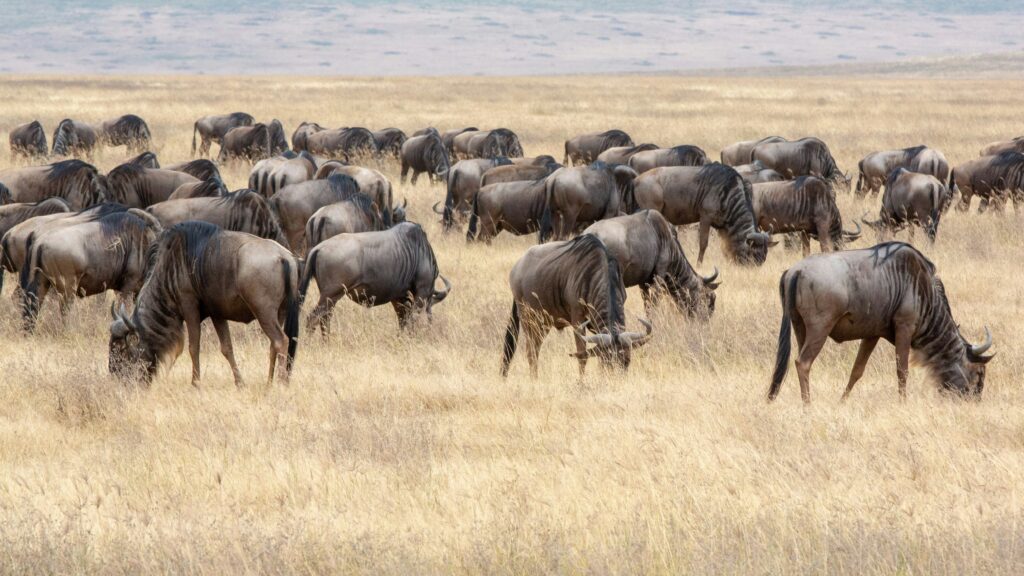
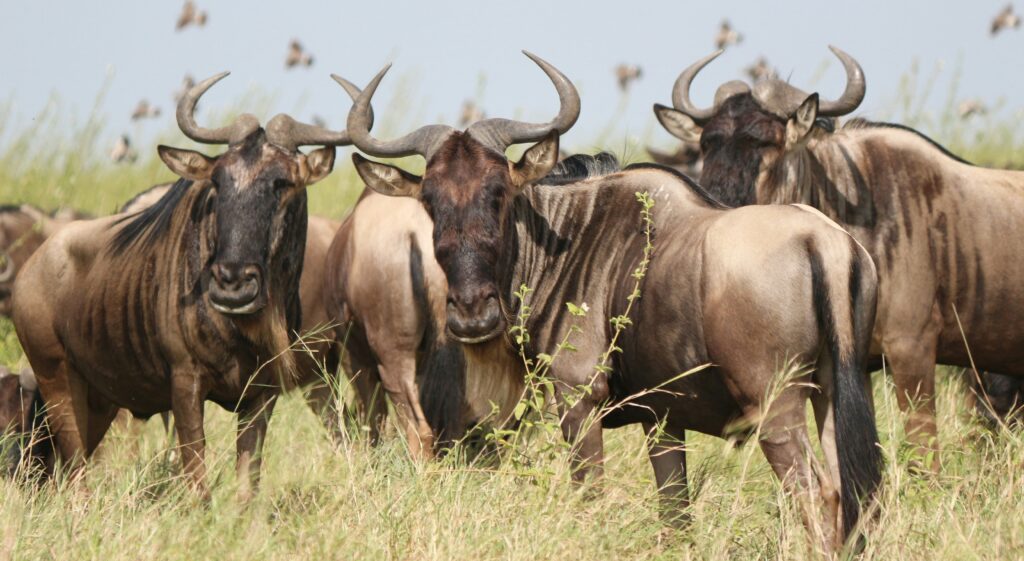
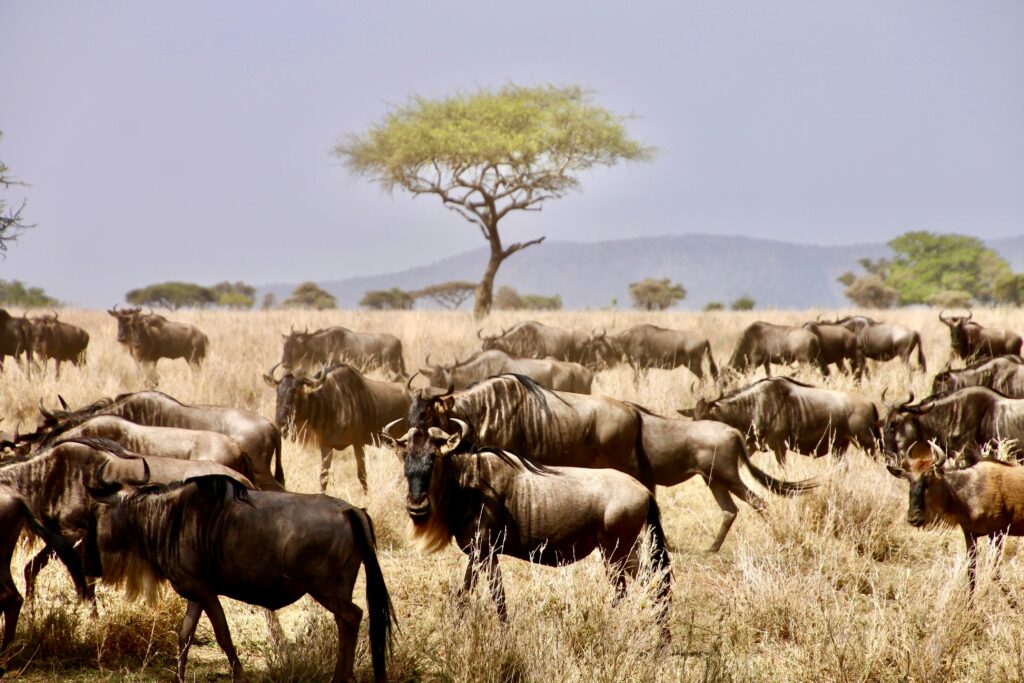
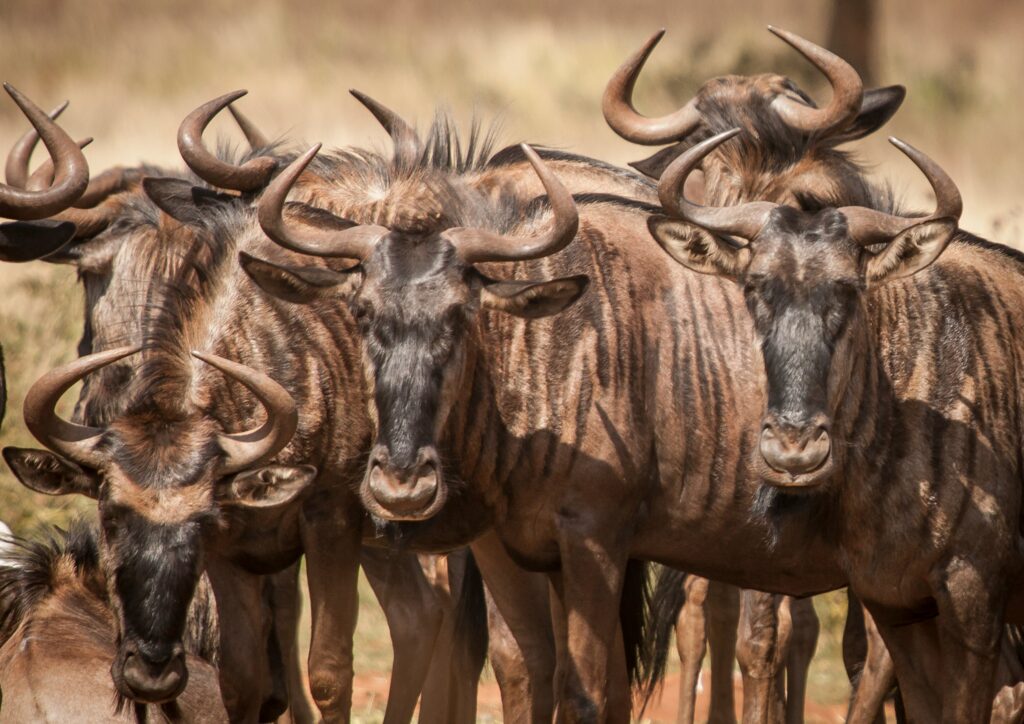
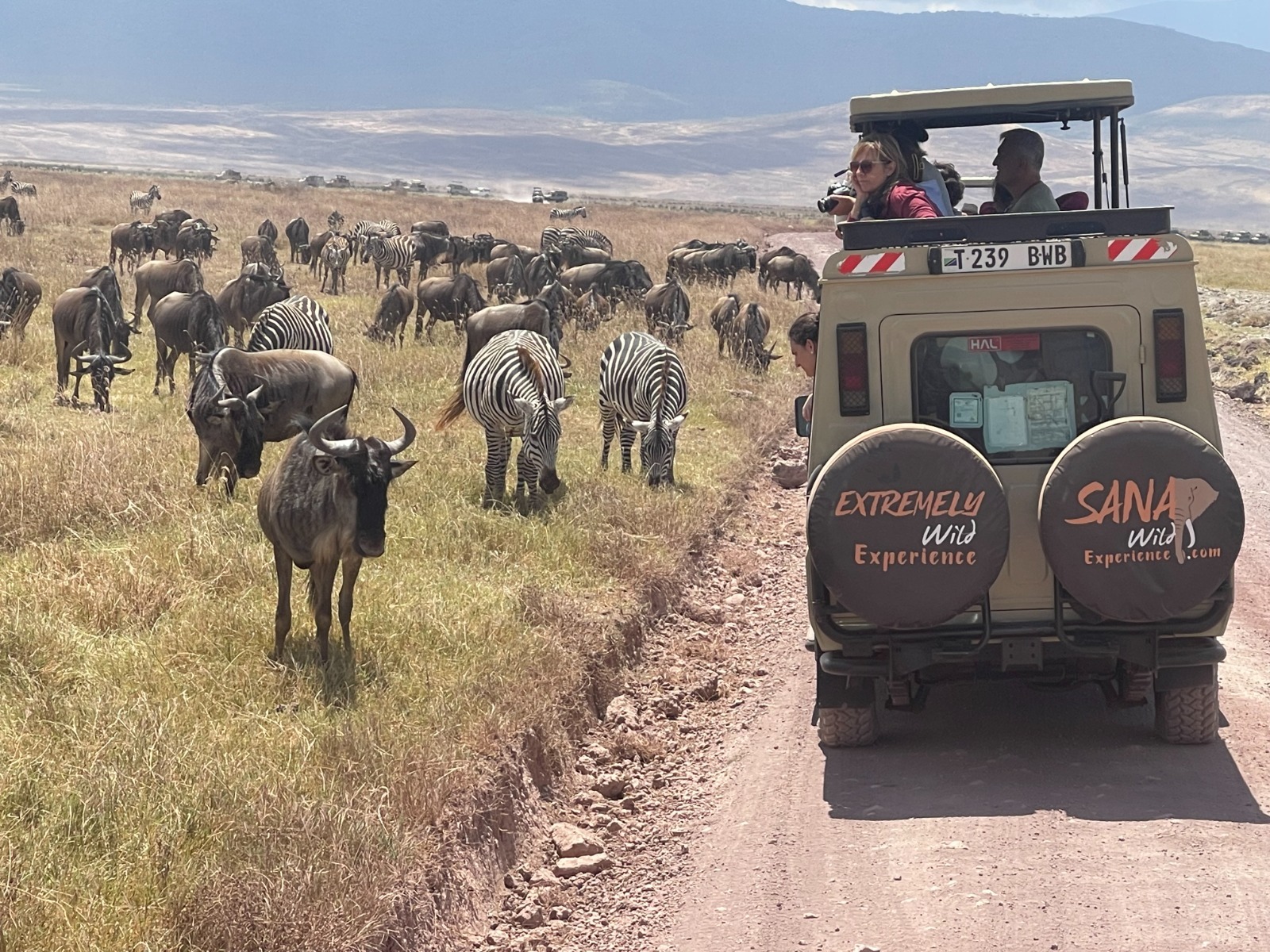
The Serengeti National Park is home to one of the most breathtaking natural events on Earth — the Great Wildebeest Migration. Each year, over 1.5 million wildebeest, accompanied by zebras and gazelles, move in a continuous cycle across the Serengeti ecosystem in search of fresh grazing and water.

This awe-inspiring journey is not just a migration — it is a dramatic survival story, filled with river crossings, predator encounters, and the raw beauty of African wilderness.


What is the Wildebeest Migration?

The Great Migration is a year-round movement of animals between Tanzania’s Serengeti and Kenya’s Maasai Mara National Reserve. Driven by rainfall patterns, the herds follow a circular route covering nearly 1,800 miles (2,900 km).

Unlike other migrations, there is no fixed start or end — it is a continuous cycle that changes month by month.


Seasonal Breakdown of the Migration

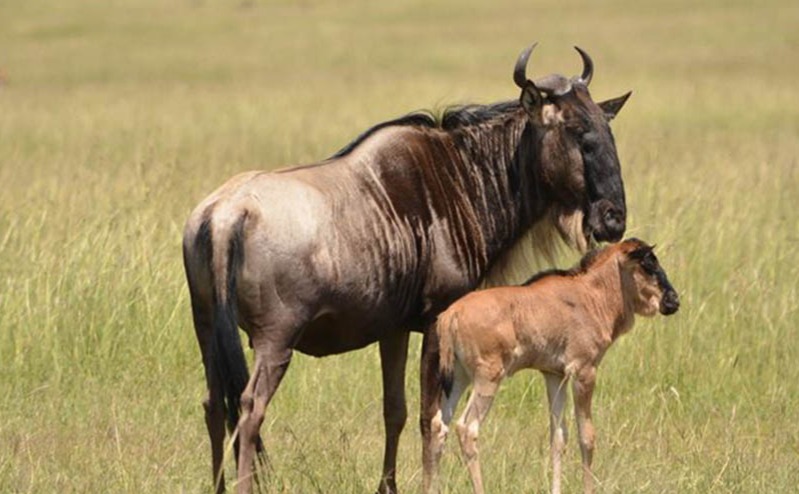
December – March: Calving Season (Southern Serengeti)

During this period, the herds gather in the Ndutu plains in the southern Serengeti.

  • Over 500,000 calves are born within a few weeks
  • Predators like lions and cheetahs are highly active
  • Best for: Dramatic wildlife action & baby animals

 Best areas: Ndutu, Southern Serengeti


April – May: The Long Rains & Movement Begins

As the rains intensify, the herds begin moving northwest.

  • Lush green landscapes
  • Fewer tourists (low season = better rates)
  • Migration starts to stretch into long columns

Best areas: Central Serengeti (Seronera)


June – July: Grumeti River Crossings (Western Corridor)

The migration reaches the Western Serengeti.

  • First major river challenge: Grumeti River
  • Crocodiles and predators await
  • Exciting but less crowded than Mara crossings

Best areas: Western Corridor


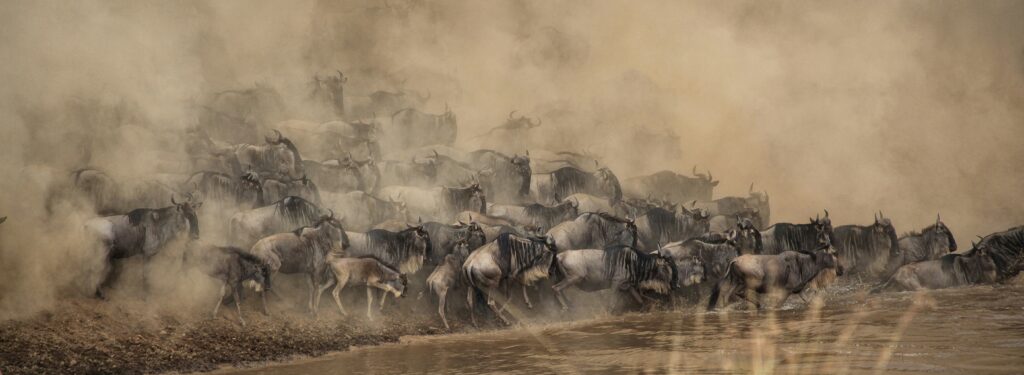
July – October: Mara River Crossings (Northern Serengeti)

This is the most famous and dramatic phase of the migration.

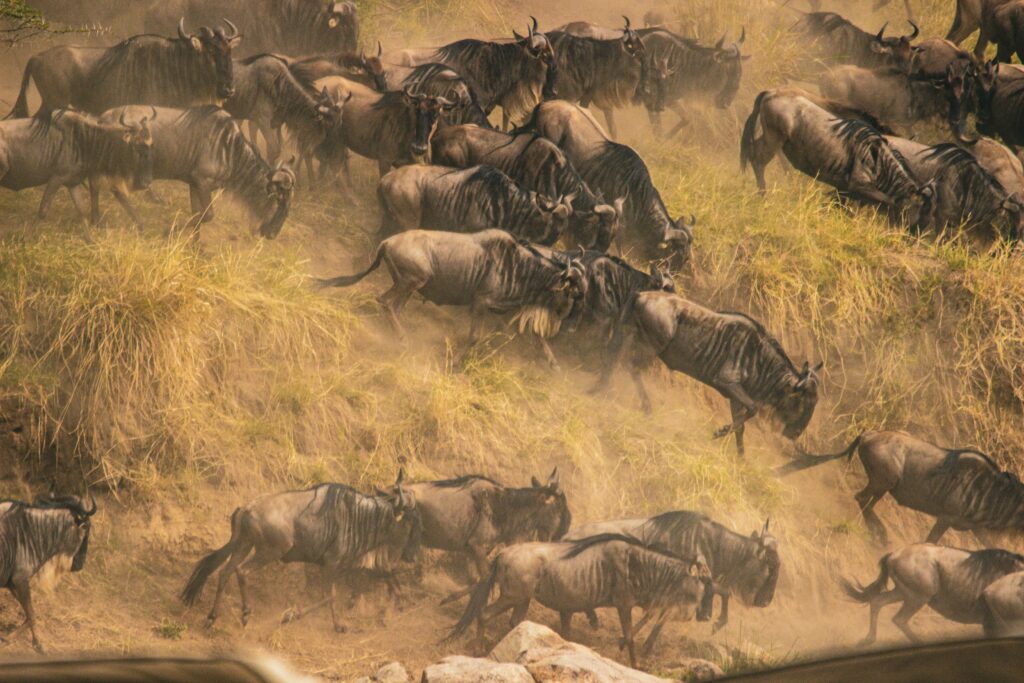
  • Herds cross the dangerous Mara River
  • Massive crocodiles and strong currents
  • Iconic safari moments seen in documentaries

Best areas: Northern Serengeti (Kogatende)


November: Return to the South

With the short rains, the herds begin their journey back south.

  • Fresh grazing lands attract the animals
  • The cycle begins again

Best areas: Central to Southern Serengeti


Why the Migration Changes Every Year

The movement of the migration depends on one key factor: rainfall.

Because rain patterns vary:

  • River crossings can happen earlier or later
  • Herds may stay longer in one region
  • Exact timing is never guaranteed

👉 This is what makes every safari unique and unpredictable


Best Time to See the Wildebeest Migration

There is no single “best” time — it depends on what you want to experience:

  • Calving & predators → January to March
  • Fewer crowds & green scenery → April to May
  • River crossings (Grumeti) → June to July
  • Famous Mara crossings → July to October


Why Choose a Serengeti Migration Safari?

A safari in the Serengeti Ecosystem offers:

  • The largest wildlife movement on Earth
  • Big Five encounters
  • Stunning landscapes and sunsets
  • Once-in-a-lifetime photography opportunities


Plan Your Wildebeest Migration Safari

Timing and location are everything when it comes to witnessing the migration. Our safari experts help you:

  • Track herd movements in real time
  • Choose the best camps and lodges
  • Customize your itinerary for maximum wildlife viewing

👉 Contact us today to plan your unforgettable Serengeti migration safari.
 

Sample Migration Safari Itinerary

DAY 1: Arrival – Arusha (JRO Airport → Arusha Coffee Lodge | 55 km, 1 hr)

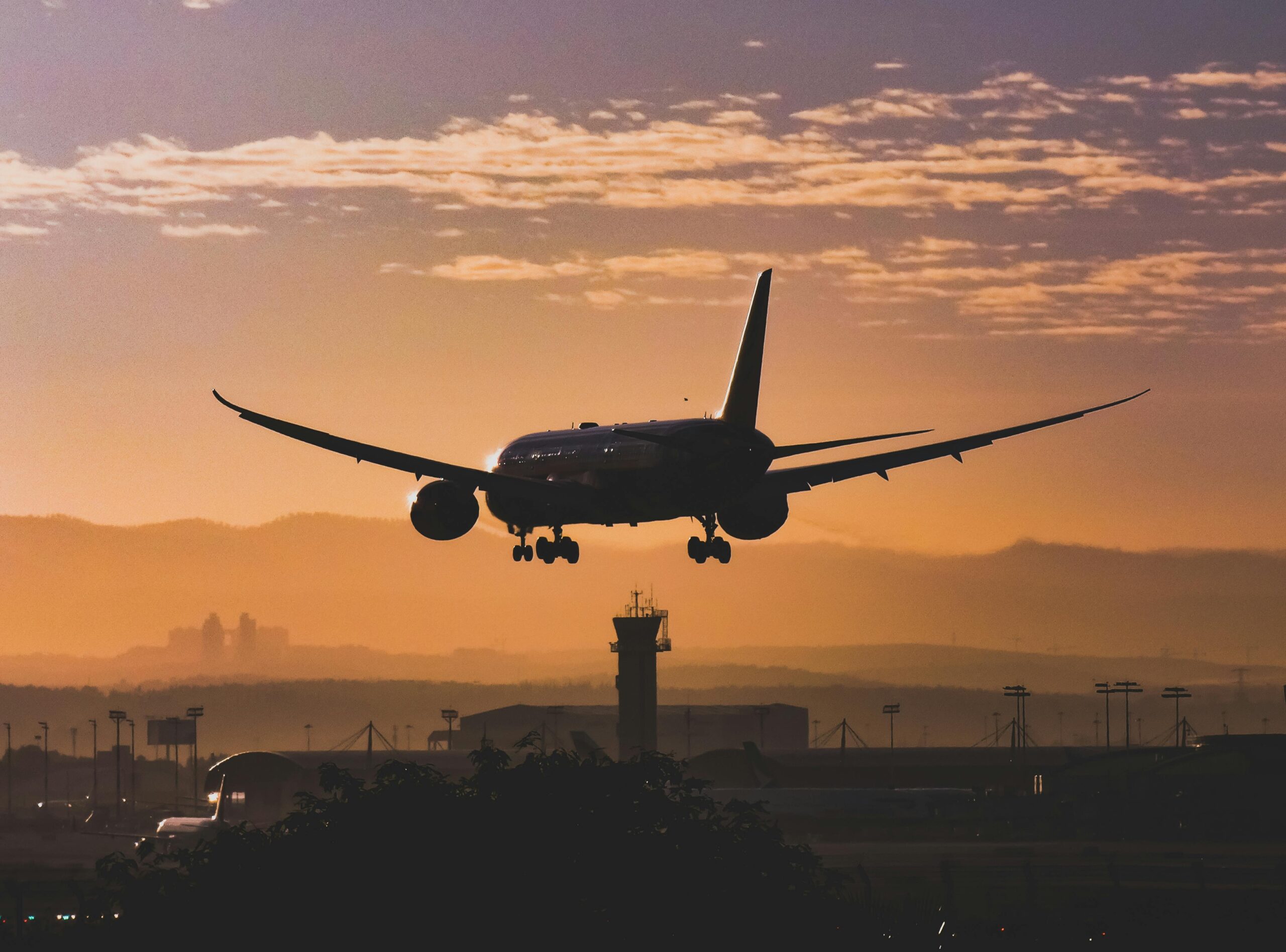
Upon landing at Kilimanjaro International Airport, your private guide will greet you with a personalized sign and assist with your luggage. Enjoy a relaxing transfer to Arusha Coffee Lodge, nestled among lush coffee estates beneath Mt. Meru. As the cultural heart of Tanzania’s northern circuit, Arusha blends modern life with deep Maasai heritage. Depending on arrival time, a gentle stroll or relaxed evening at the lodge sets the tone for your adventure.

Accommodation: Arusha Coffee Lodge

DAY 2: Arusha → Fly to Northern Serengeti (Arusha Airstrip → Kogatende + Game Drive | 15 km transfer + 2 hrs flight + 100 km game drive)

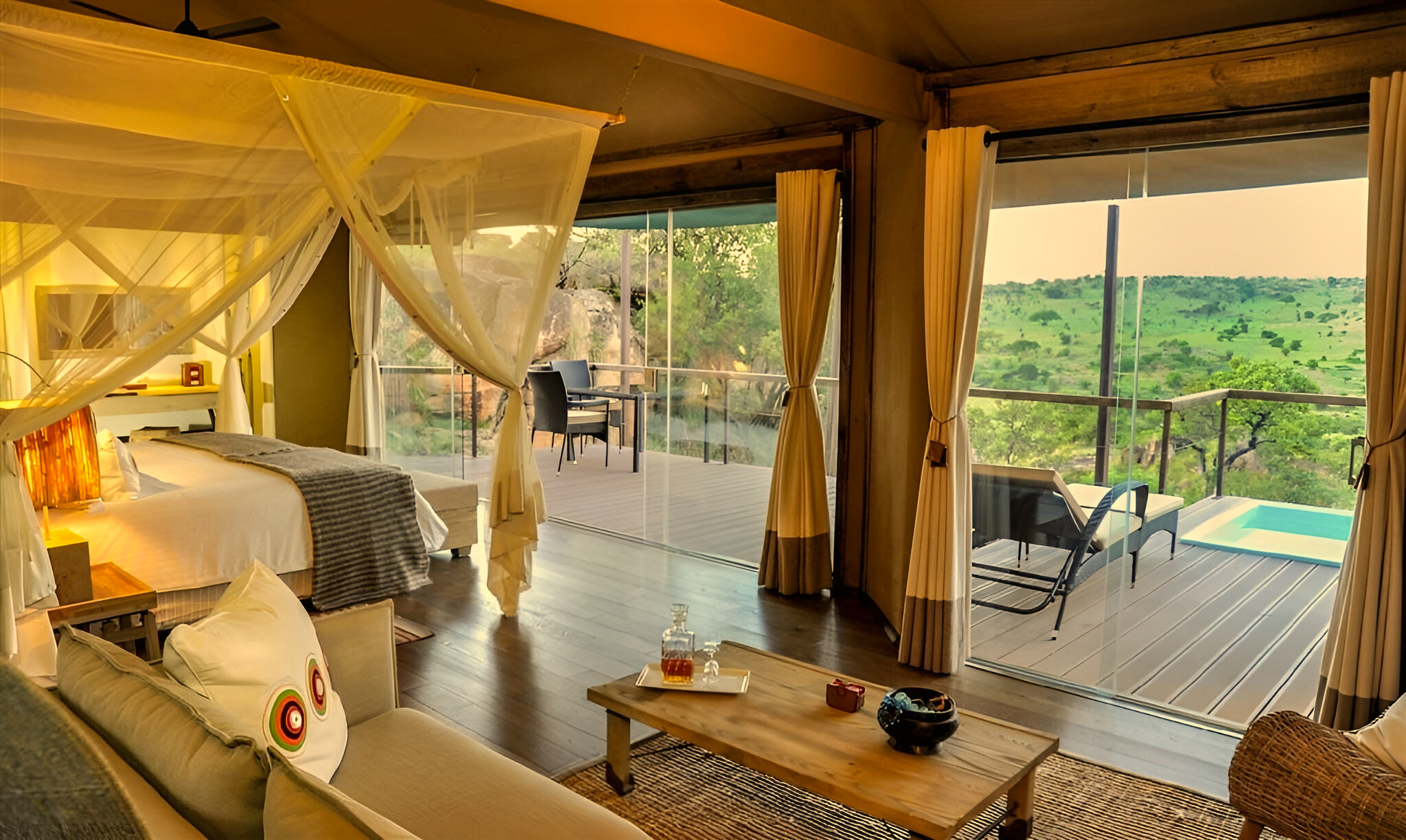
After an early breakfast, transfer to Arusha Airstrip for your scenic flight to Kogatende. On arrival, your guide welcomes you and transfers you to the lodge for a warm lunch before your first game drive. The northern Serengeti is the epicenter of the Great Migration’s dramatic Mara River crossings, where vast herds gather on the riverbanks while massive Nile crocodiles patrol below. After an exciting afternoon, return to your luxurious hilltop lodge for dinner and a peaceful evening.

DAY 3 & 4: Northern Serengeti – Mara River Region (Kogatende Game Drives | ~100 km per day

Spend two full days exploring one of Africa’s most awe-inspiring wildlife regions. Early drives reveal nocturnal predators winding down as daylight reveals sprawling herds. Between June and December, over a million wildebeest and thousands of zebras and gazelles flood the landscape, shadowed by lions, leopards, hyenas, and crocodiles. You’ll enjoy long game drives with packed lunches, maximizing your chances of witnessing river crossings, predator interactions, and migration drama. Evenings invite relaxation, luxury, and stargazing back at camp.

DAY 5 & 6: Mara River → Central Serengeti (Kogatende → Seronera + Game Drives | 155 km, 4.5 hrs + 100 km per day)

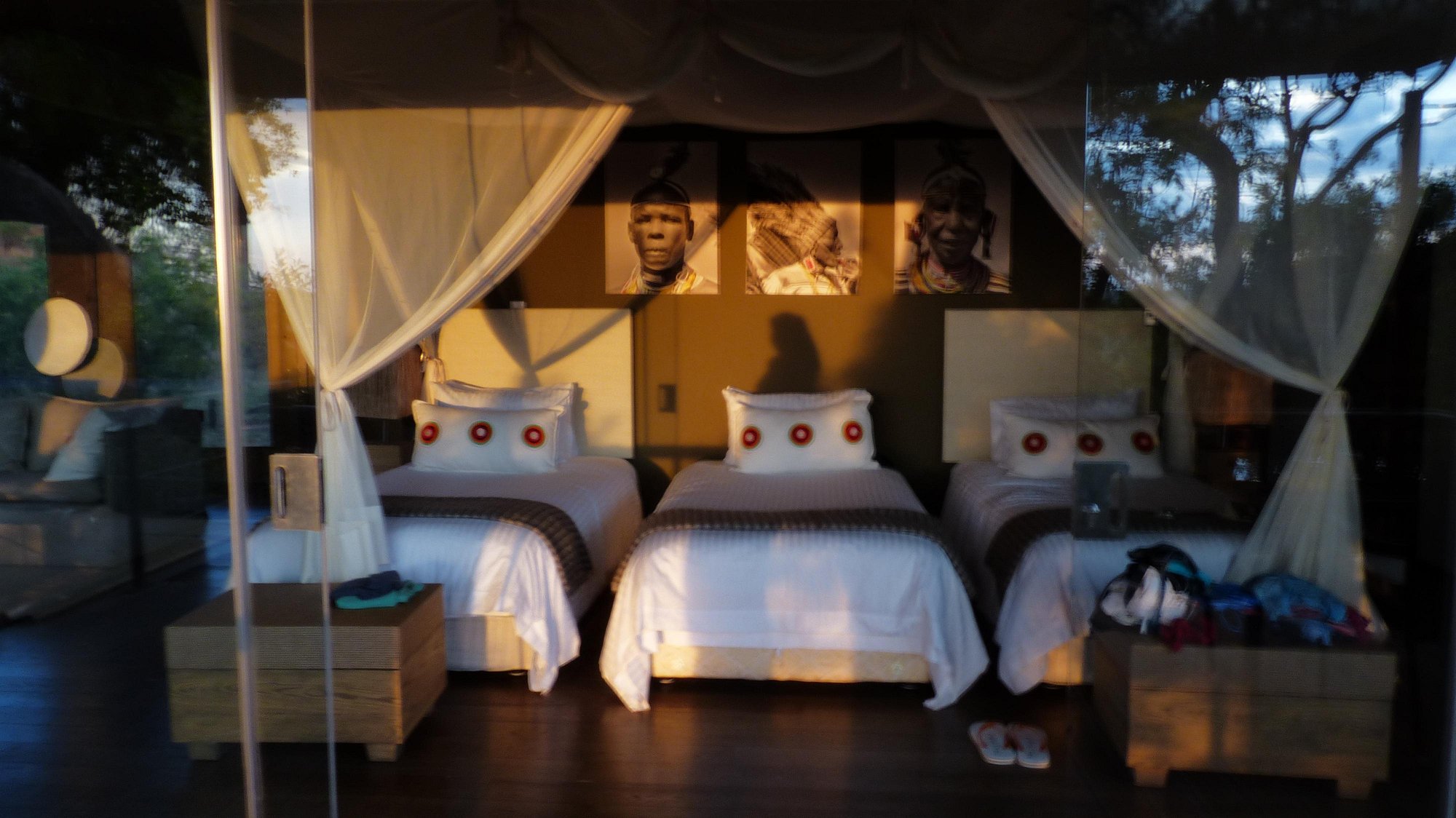
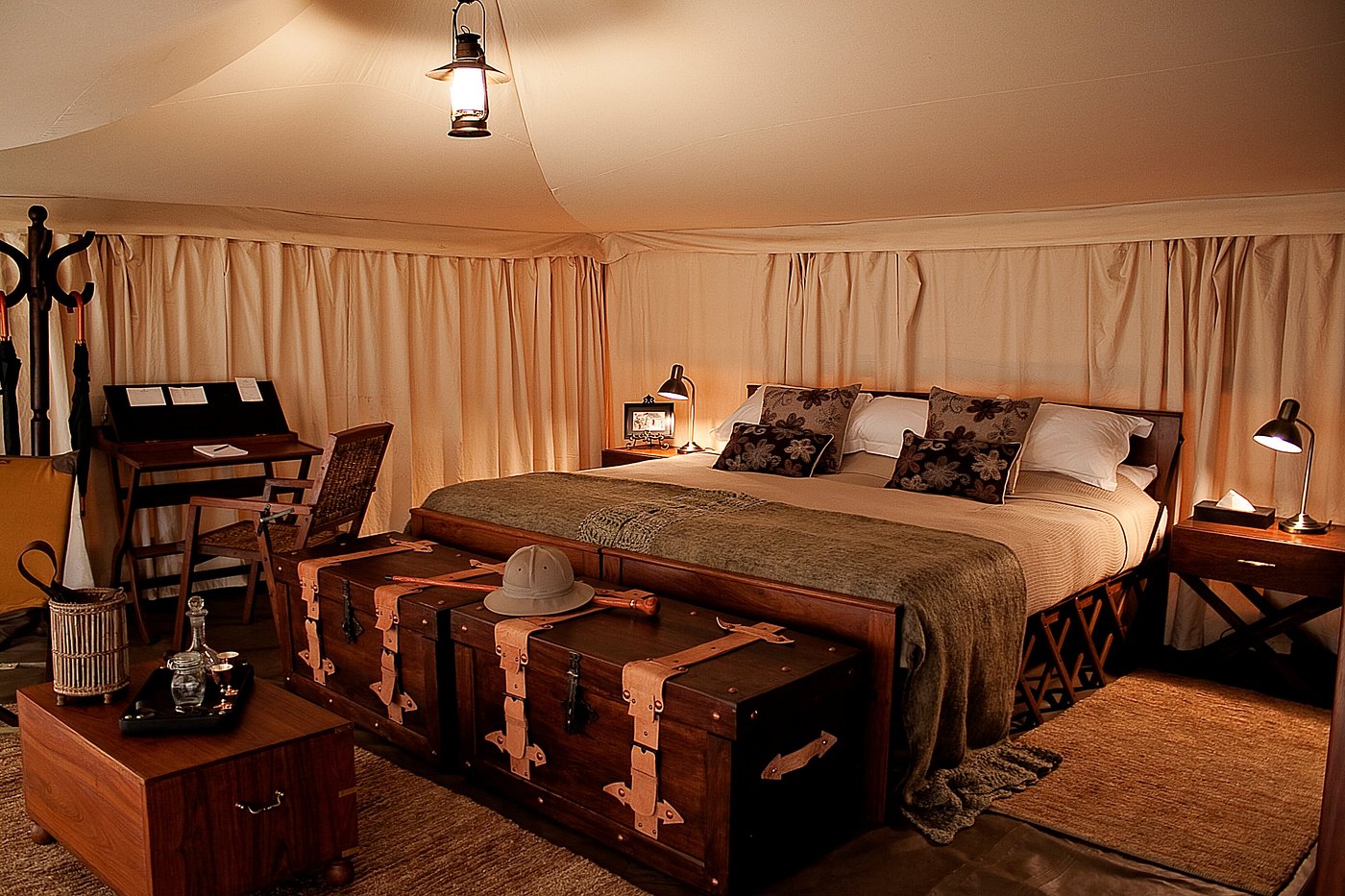
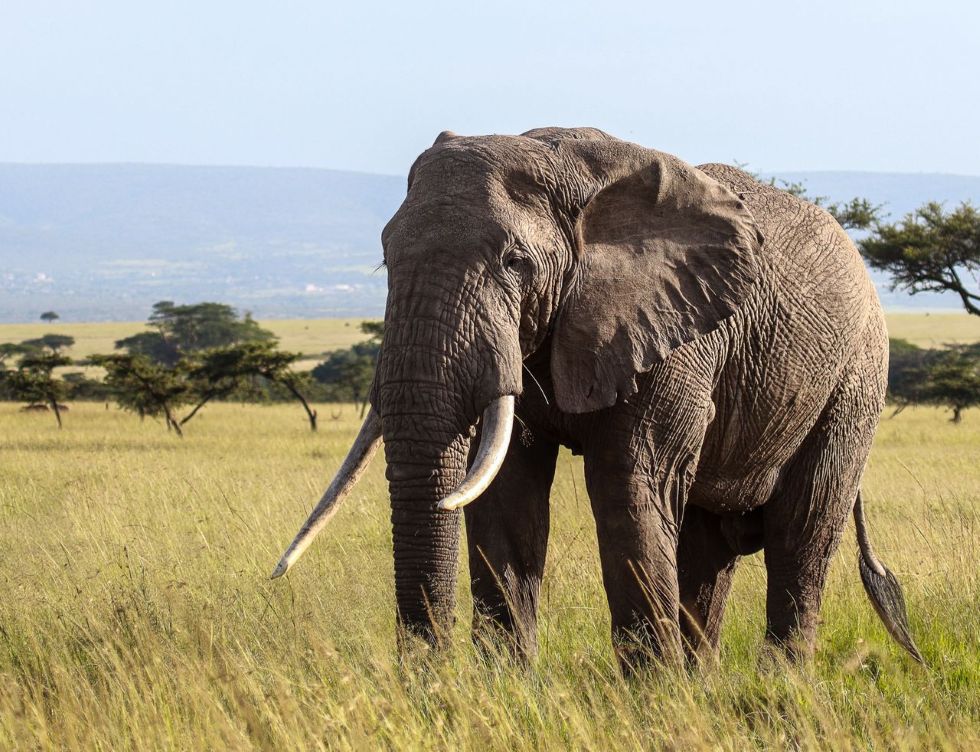
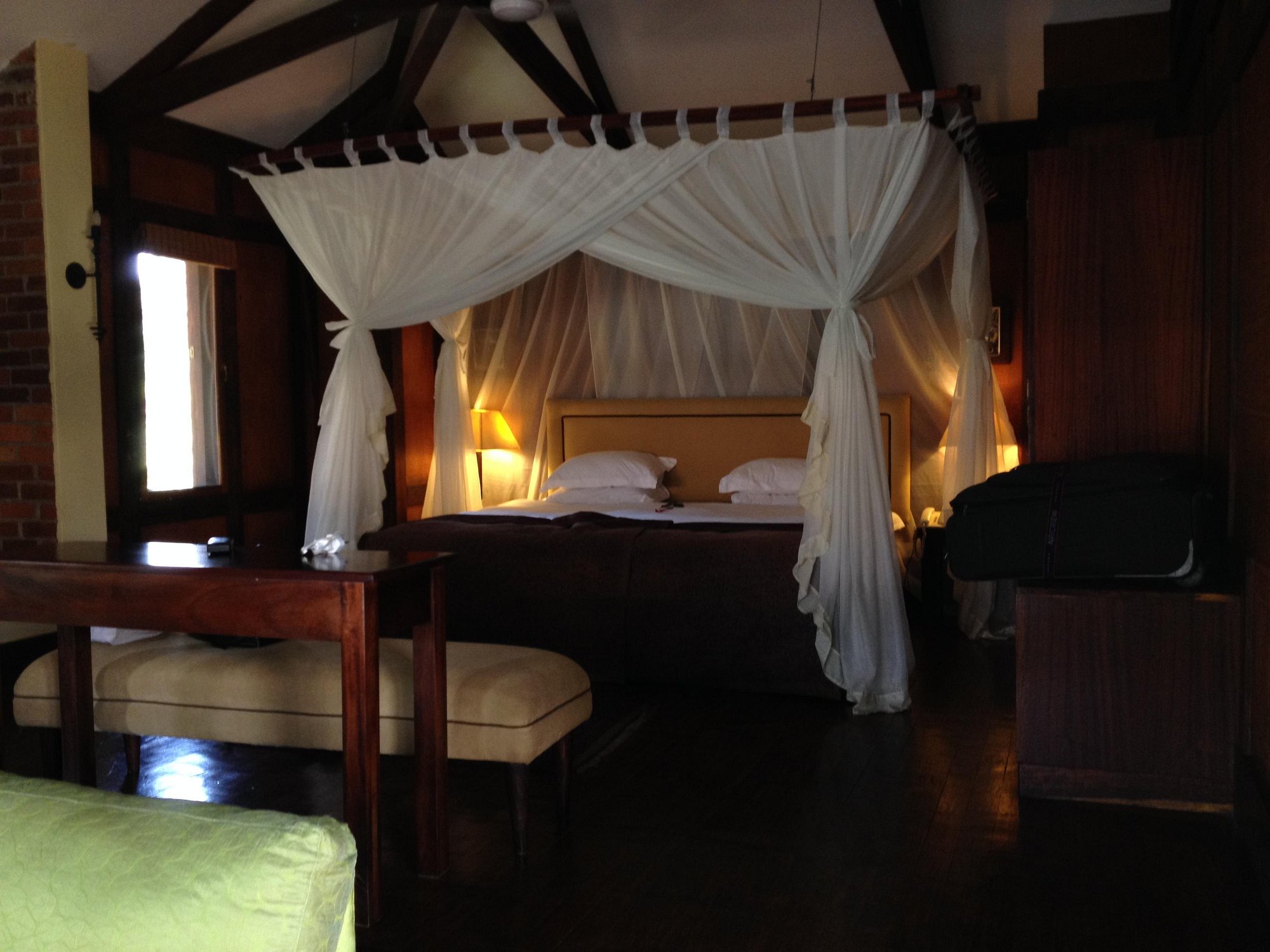
After breakfast, journey south towards the Central Serengeti, known for its exceptional wildlife density and dramatic predator activity. Over the next two days, enjoy extensive game drives that capture classic Serengeti moments: lions atop sun-soaked kopjes, cheetahs scanning the plains, elephants wandering beneath acacias, and sweeping grasslands stretching endlessly. Your evenings at Serengeti Pioneer Camp combine classic safari ambiance with romantic comfort—perfect for adventure-driven couples

Accommodation: Serengeti Pioneer Camp

DAY 7: Central Serengeti → Ngorongoro Crater → Karatu (Seronera → Crater + Game Drive → Karatu | 180 km, 4.5 hrs + 100 km game drive)

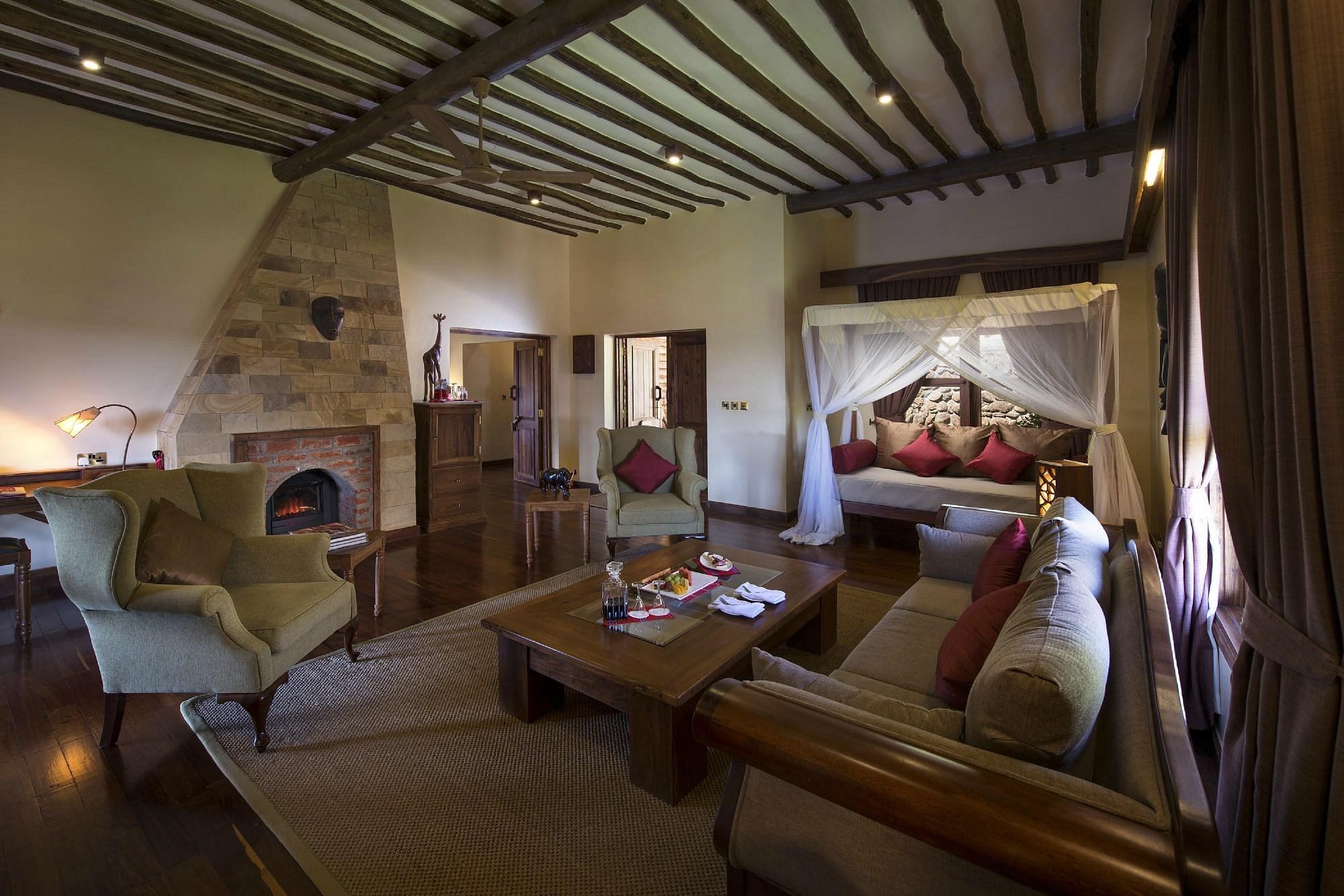
Depart early for the world-renowned Ngorongoro Crater, descending 600 meters to explore the wildlife-rich floor. This natural amphitheater is home to black rhinos, large lion prides, elephants, buffalo, zebra, and vast herds of wildebeest. After a full game drive and picnic lunch, continue to Karatu. The lush highlands and cultural warmth give you a comfortable transition from the wild to a charming, peaceful setting for the night.

Accommodation: Manor Hotel Ngorongoro

DAY 8: Karatu → Lake Manyara → Arusha (Karatu → Lake Manyara + Game Drive → JRO | 210 km, 4.5 hrs + 60 km game drive)

Begin your day with a drive into the Great Rift Valley toward Lake Manyara National Park for a morning game drive. Known for its tree-climbing lions, elephant families, hippos, and diverse birdlife, Manyara offers a refreshing final burst of wildlife variety. After lunch at a scenic site, drive to Arusha and transfer to Kilimanjaro International Airport for your flight home—closing your journey through one of East Africa’s greatest wildlife ecosystems.

Enquire This Safari

Related Safaris

Our Guests Satisfaction

Thank you very much for being part of our family by traveling with us.
Sana Wild Experience would like to share your experience with us in Africa.
Please don’t hesitate to write about your experience with us in Google reviews or Trip Advisor

Includes and excludes

What is included in this tour?

Items that are included in the cost of the tour price.

  • Respective accommodation or similar throughout as indicated
  • All meals during the Safari
  • Passengers arriving in Tanzania may be asked to present a valid Covid 19 test Certificate
  • Flying doctor
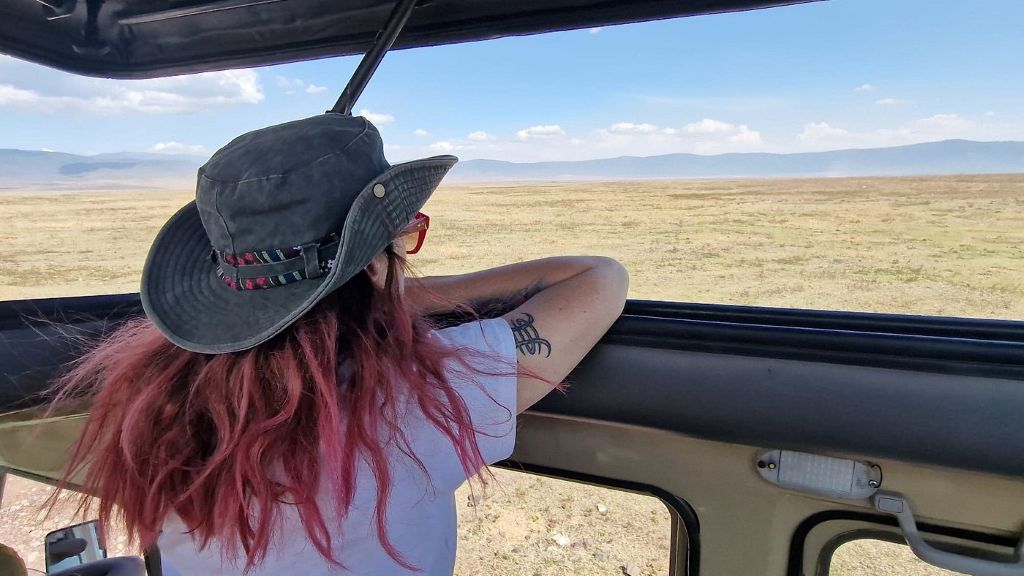
  • Transport with photographic roof hatch land cruiser driven by professional guide
  • Unlimited drinking water during the Safari
  • All national park entry fees
  • Visit Maasai village
  • Government Taxes
  • All airport transfers
  • Programs as stipulated

What is Excluded in this tour?

Items that are not included in the cost of the tour price.

  • Tourist visas
  • Travel Insurance
  • International flights to Kilimanjaro and any other flights(local flights can arranged)
  • Personal shopping and memorabilia
  • Drinks and refreshments
  • Tip to your driver guide
  • Tip to porters
  • Cost to anything not mentioned at the list of included