10 Days Mara River Crossing
OVERVIEW
The Mara River is one of the most impressive natural landmarks in the northern Serengeti and one of the region’s most remarkable rivers. Flowing through the wider Serengeti-Mara ecosystem, the river supports wildlife and becomes especially famous during the Great Wildebeest Migration, when large herds gather in Northern Serengeti and may attempt to cross its waters.
The Mara River offers more than just an exciting migration crossing Its surrounding landscape is home to elephants, crocodiles, hippos, birds and many other species, while the open plains of the northern Serengeti create an extraordinary setting for wildlife viewing.
For travellers exploring Tanzania Safari Holiday Packages, a visit to the Mara River can add a completely different dimension to the journey — one shaped by wildlife movement, changing seasons and the raw unpredictability of nature.
The Mara River in Northern Tanzania
.The Mara River rises in Kenya and flows through the Serengeti-Mara ecosystem before eventually reaching Lake Victoria. Within Tanzania, its northern Serengeti section is particularly well known for the annual migration of wildebeest and zebras.
The river is an important source of water for wildlife and forms part of a much larger ecosystem that extends across the Tanzania-Kenya border. Its importance therefore goes beyond the famous crossings seen during the migration season.
The landscape around the river changes with the seasons. Grasslands, woodland and riverine vegetation provide different habitats for wildlife, while the river itself creates a natural focal point within the northern Serengeti.
Mara River and the Great Wildebeest Migration
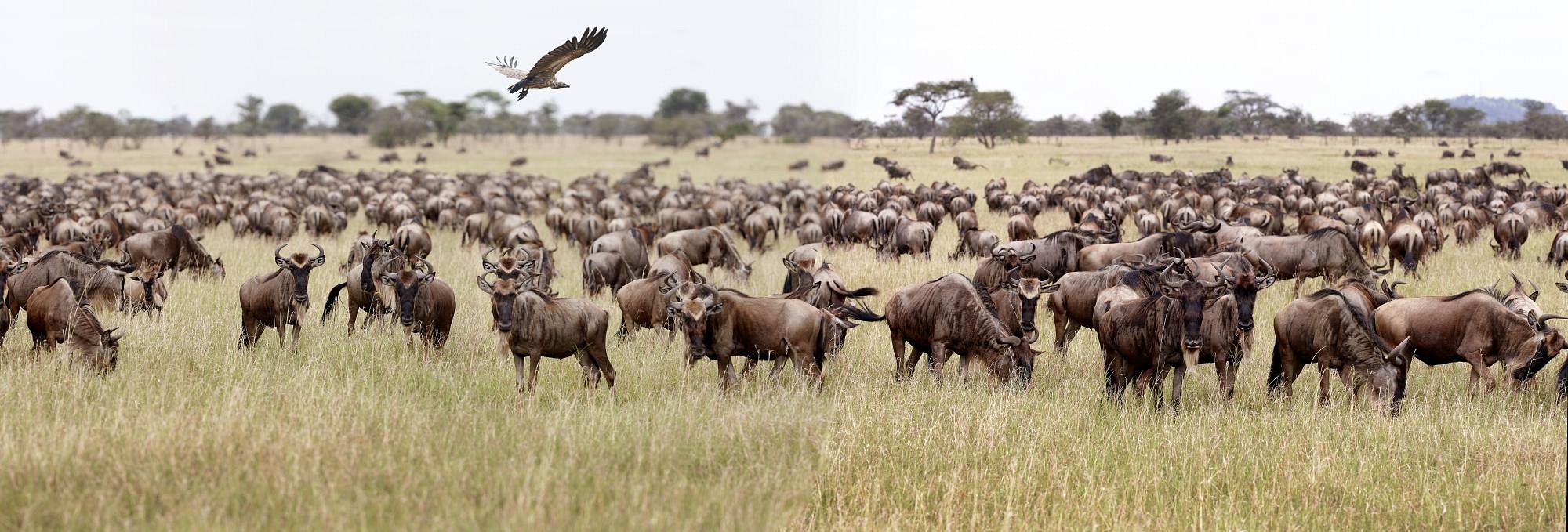
The Mara River is closely associated with one of the most dramatic stages of the Great Wildebeest Migration.
As migrating herds move through the Serengeti ecosystem, wildebeest and zebras eventually reach the northern Serengeti. Some herds gather near the riverbanks before attempting to cross into Kenya’s Maasai Mara.
A crossing can happen suddenly after hours of waiting, or animals may remain near the river for an extended period before moving. There is no fixed schedule, which means that even during the migration season, a river crossing cannot be guaranteed.
When a crossing does occur, the scene can be intense. Large numbers of animals move through the water while crocodiles wait nearby, creating an unforgettable display of movement, instinct and survival.
The uncertainty is part of the experience. Travellers may spend time observing herds gathering, moving along the riverbank or changing direction before witnessing an actual crossing.
Wildlife Around the Mara River
The Mara River in the northern Serengeti supports a wide variety of wildlife throughout the year.
Depending on the season and the area you visit, travellers might come across:
- Wildebeest
- Zebras
- Elephants
- Hippos
- Nile crocodiles
- Giraffes
- Buffalo
- Antelopes
- Lions and other predators
- Numerous bird species
The riverbanks can be particularly interesting for observing crocodiles and hippos, while the surrounding plains provide opportunities to see both herbivores and predators.
Wildlife sightings are never guaranteed, and the experience can vary considerably depending on rainfall, animal movements and the time of year.
What Makes a Mara River Crossing Special?
A Mara River crossing is not simply about seeing animals enter the water.
The moments leading up to a crossing can be equally fascinating. Herds may gather along the riverbank, move back and forth, pause unexpectedly or follow one group that has suddenly decided to descend towards the water.
Once the animals begin moving, the scene can change within seconds.
Dust rises from the riverbank, wildebeest and zebras enter the water, and crocodiles remain close to the crossing area. Some animals reach the opposite bank quickly, while others struggle against the current.
Because the timing and location cannot be predicted with certainty, witnessing a crossing is a matter of patience, preparation and being in the right part of the northern Serengeti at the right time.
Best Time to See the Mara River Crossing in The Northern Serengeti, Tanzania.
The best time to witness the Mara River crossings in the northern Serengeti is generally between July and October. During this period, large herds of migrating animals are found in the northern Serengeti, and there is significant movement of animals between the Serengeti and the Maasai Mara regions. However, the exact timing can vary each year, as the migration is influenced by rainfall patterns and the availability of fresh grazing areas.
This means that visiting during the migration season does not guarantee that a crossing will happen on a particular day. Herds can arrive earlier or later, remain in an area for different lengths of time, or change direction.
For this reason, a well-planned safari should focus on experiencing the wider northern Serengeti and its wildlife rather than treating a river crossing as the only objective.
Responsible Mara River Crossing Experiences
The Mara River is an important wildlife area, and responsible tourism is essential when viewing migration crossings.
Visitors should follow the instructions of their safari guide and park authorities, remain within designated viewing areas and avoid actions that could disturb animals.
Tanzania National Parks Authority has specific guidelines for Mara River migration crossings, including designated vehicle positions and rules designed to reduce disturbance to migrating animals. You can read the official Mara River Crossing Guidelines for more information.
A responsible safari gives wildlife space to move naturally while allowing visitors to observe the event without interfering with it.
Wildlife Photography at the Mara River
The Mara River offers exceptional opportunities for wildlife and landscape photography.
The combination of open plains, riverine vegetation, wildlife and changing light creates a wide range of photographic scenes. During migration season, the anticipation before a crossing can be just as compelling to photograph as the crossing itself.
Patience is particularly important. Rather than rushing between sightings, photographers can spend time watching animal behaviour and waiting for natural moments to develop.
A knowledgeable safari guide can also help identify promising wildlife-viewing locations while respecting park regulations and responsible viewing practices.
Things to Do Around the Mara River
.Watch the Great Migration
During the migration season, travellers can explore the northern Serengeti in search of migrating wildebeest and zebras. A river crossing may occur during this period, but it should never be treated as guaranteed.
Wildlife Game Drives
Game drives around the northern Serengeti provide opportunities to see the wildlife that depends on the river and surrounding plains.
Wildlife Photography
The river, open grasslands, wildlife and dramatic skies provide excellent subjects for photographers interested in both action and landscape images.
Observe River Wildlife
The Mara River itself supports species such as crocodiles and hippos, while elephants, antelopes and other animals may visit the river or surrounding areas.
Experience the Northern Serengeti
Even when no migration crossing is taking place, the northern Serengeti offers a quieter and highly rewarding safari environment with beautiful scenery and diverse wildlife.
Conservation of the Mara River
The Mara River is part of a transboundary ecosystem shared by Tanzania and Kenya. Protecting the river therefore requires attention to wildlife, habitats and the wider landscape rather than focusing only on individual animals.
The river and the Great Migration are important conservation priorities within Serengeti National Park. Tanzania National Parks Authority (TANAPA) has established specific guidelines for migration crossings to help visitors enjoy the spectacle while reducing disturbance to wildlife.
Responsible tourism can contribute to conservation by creating value for protected areas and encouraging visitors to respect wildlife, local communities and park regulations.
How to Include the Mara River in a Tanzania Safari
The Mara River is best experienced as part of a wider northern Tanzania safari rather than as an isolated destination.
Travellers can combine the northern Serengeti with Tarangire National Park, the Ngorongoro Conservation Area and other parts of the Serengeti. This creates a varied itinerary that includes different landscapes and wildlife habitats.
For travellers specifically interested in the migration, Sana Wild Experience also offers a dedicated Mara River Crossing Safari Tanzania itinerary that explores the northern Serengeti during the migration season.
A longer itinerary can allow you to enjoy the safari journey itself rather than spending the entire trip waiting for one particular wildlife event.
Why Visit the Mara River?
The Mara River can appeal to travellers looking for:
- The Great Wildebeest Migration
- Northern Serengeti wildlife viewing
- Possible Mara River crossings
- Crocodile and hippo sightings
- Wildlife photography
- Dramatic landscapes
- A deeper understanding of the Serengeti-Mara ecosystem
- A memorable addition to a Tanzania safari
Plan Your Mara River Safari with Sana Wild Experience
The Mara River is one of those places where nature sets the timetable. You can choose the season, plan the route and spend time in the right wildlife area, but the river itself decides when the animals move.
At Sana Wild Experience, we can create a private Tanzania safari around your interests, whether your priority is the Great Migration, wildlife photography, the northern Serengeti or a broader safari experience.
You can include the Mara River in a tailor-made Tanzania Safari Holiday Package or choose a dedicated Mara River Crossing Safari Tanzania during the migration season.
Ready to experience the Mara River? Request a safari quote from Sana Wild Experience and start planning your northern Serengeti adventure.
Frequently Asked Questions About the Mara River
Where is the Mara River?
The Mara River flows through Kenya and Tanzania as part of the wider Serengeti-Mara ecosystem. The section in northern Tanzania is located within the northern Serengeti and is particularly famous for migration river crossings.
When is the best time to see a Mara River crossing in The Northern Serengeti, Tanzania?
The main migration-crossing period is generally July to October, although the exact timing varies from year to year depending on rainfall, grazing conditions and animal movements.
Are Mara River crossings guaranteed?
No. A river crossing cannot be guaranteed on a particular day. Herds may gather near the river without crossing, move to another area or cross when visitors are not present.
What animals can I see at the Mara River?
You may see wildebeest, zebras, crocodiles, hippos, elephants, giraffes, antelopes, buffalo and various bird species. Predators may also be encountered in the surrounding Serengeti.
Can I visit the Mara River outside migration season?
Yes. The Mara River and northern Serengeti remain interesting outside the peak migration period. Wildlife viewing, river scenery and the wider ecosystem can still provide a rewarding safari experience.
Is the Mara River located in Tanzania or Kenya
The Mara River flows through both countries. The river crosses the Tanzania-Kenya border, while the famous Tanzanian migration-viewing areas are located in the northern Serengeti.
Can I include the Mara River along with the Serengeti and Ngorongoro in my itinerary?
Yes. The Mara River can be incorporated into a wider northern Tanzania safari that includes Serengeti National Park, the Ngorongoro Conservation Area and other destinations.
What is the best way to plan a Mara River safari?
Sana Wild Experience can create a tailor-made safari based on your travel dates, interests and preferred accommodation style. For travellers targeting the migration season, the itinerary can be planned around the northern Serengeti and Mara River area.