
11 Days Kilimanjaro Trekking Safaris via 9 Days Northern Circuit Route
- Best Time To Go : January – March and July - December
- Holiday Length : 9 Days / 8 Nights
- Holiday type : Trekking
Trekking Overview
11 Days Kilimanjaro Trekking Safari – 9 Days Northern Circuit Route
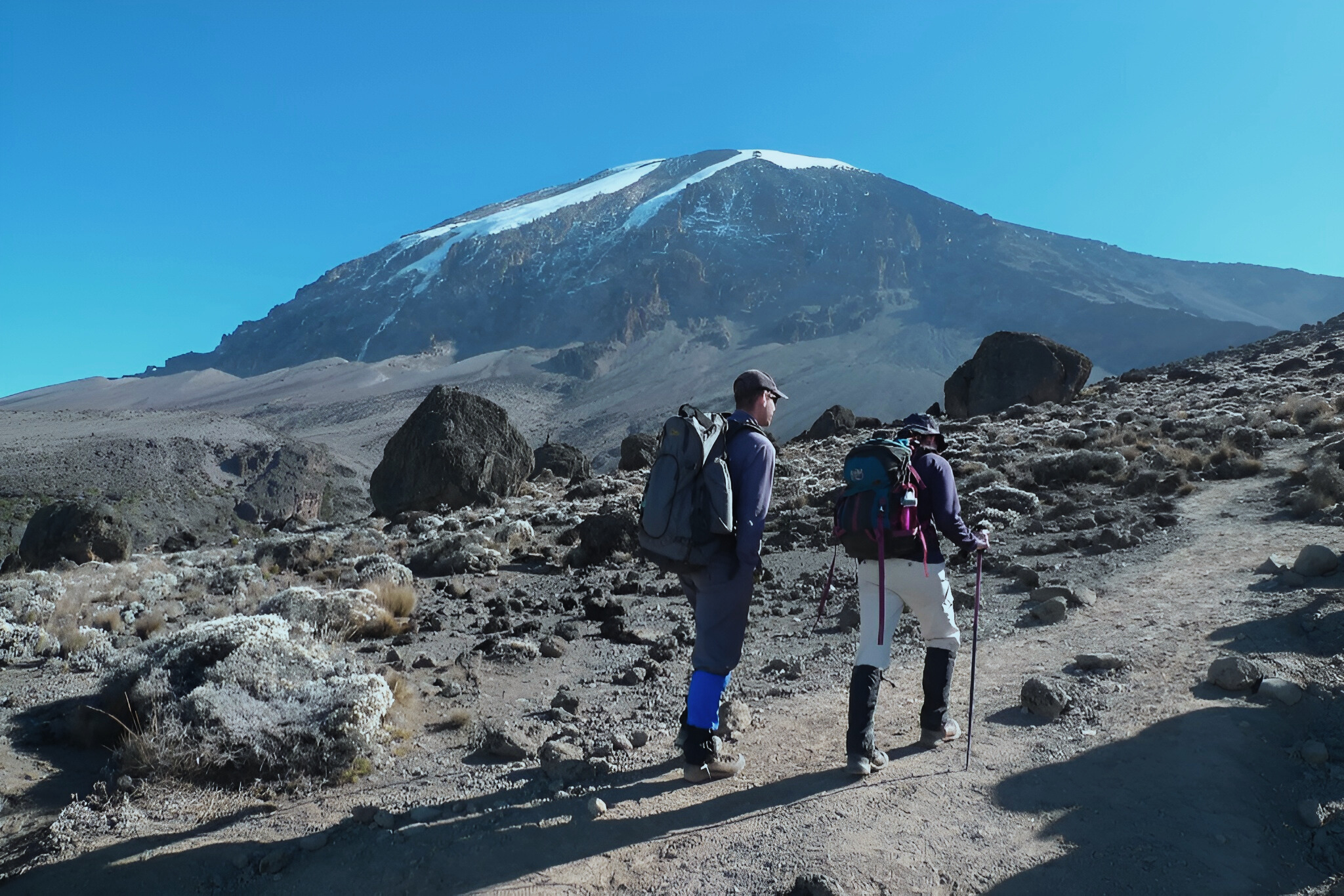
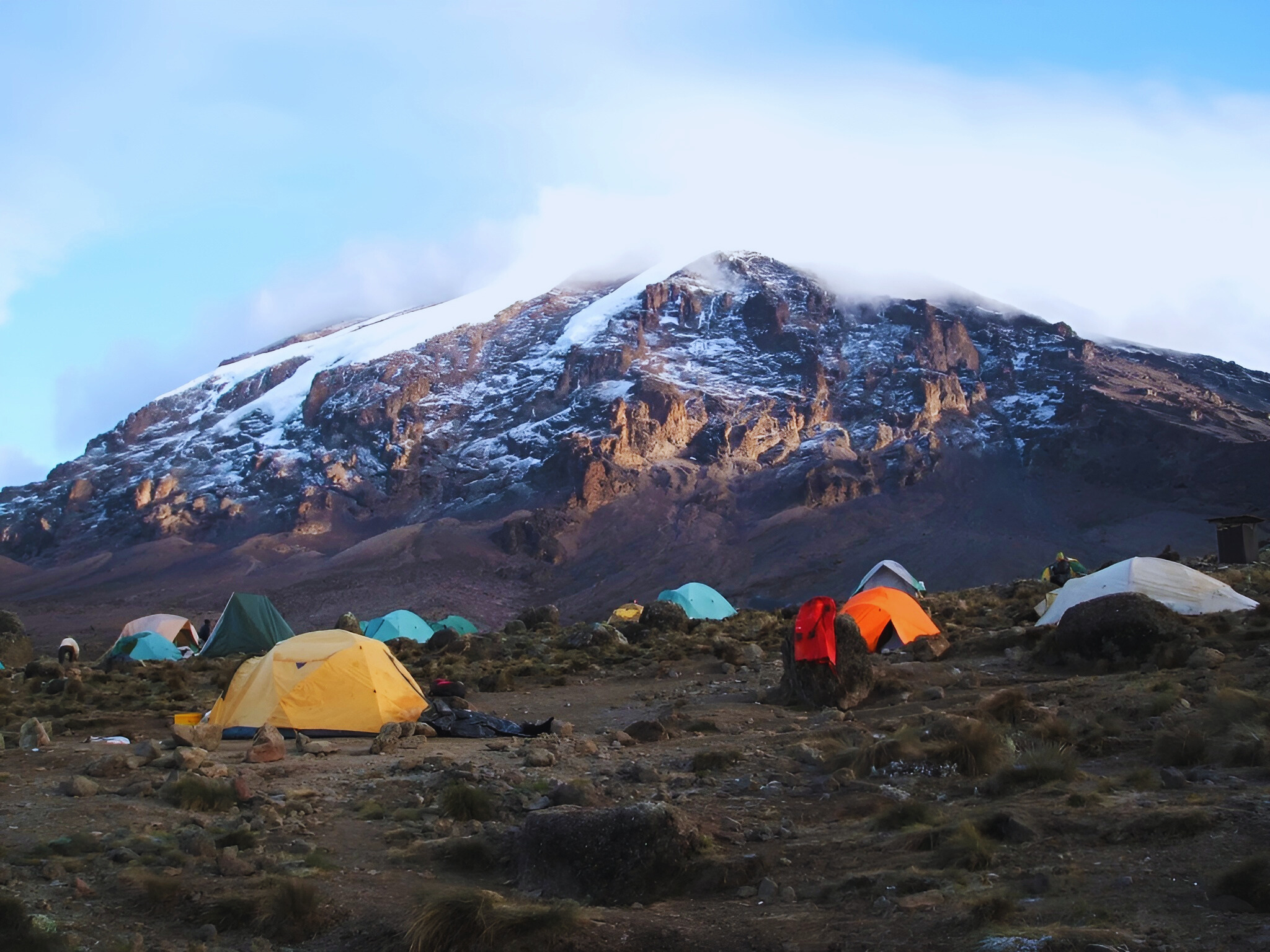
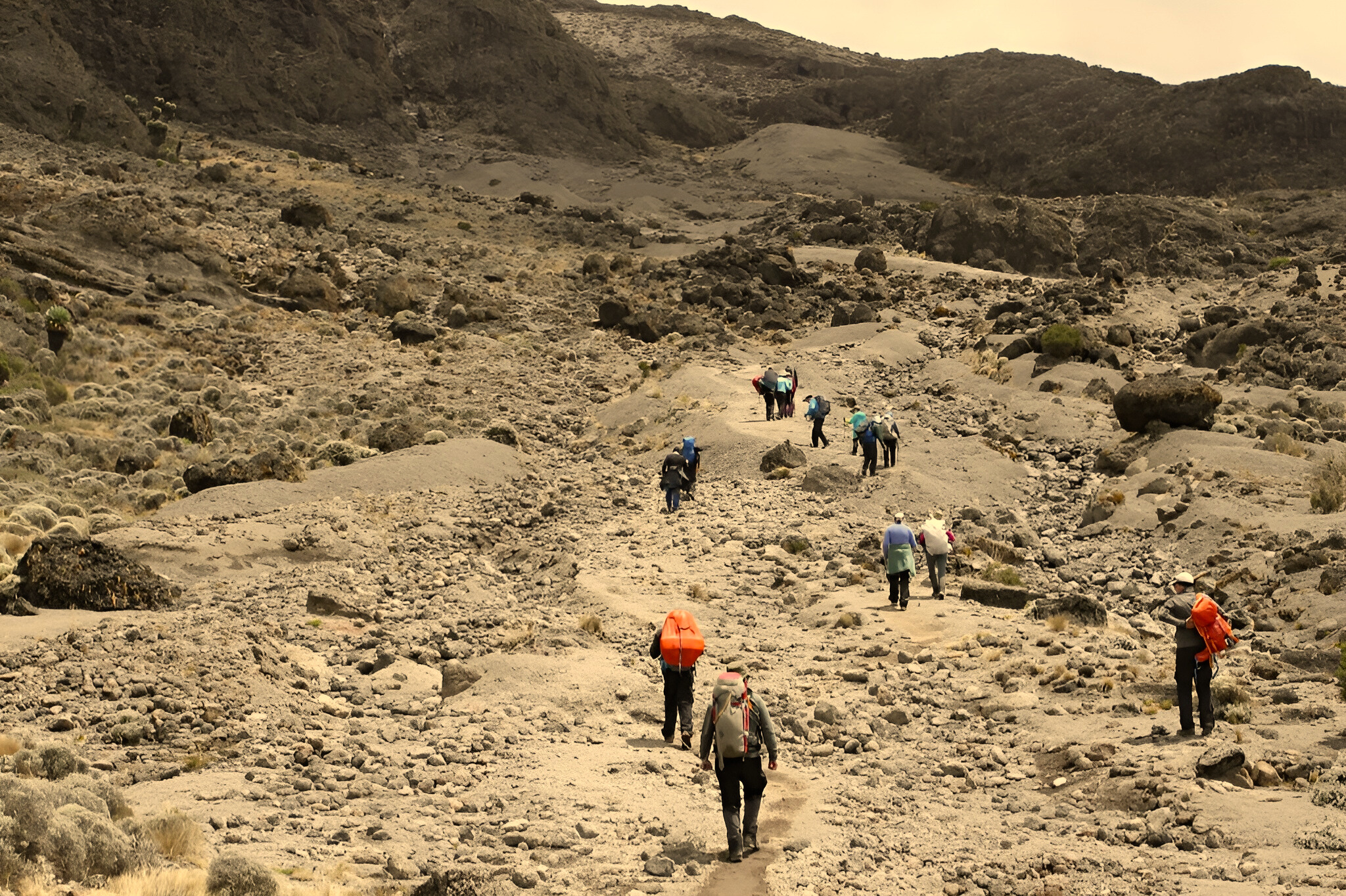
The 9 Days Northern Circuit Route is the longest, newest, and most scenic route on Mount Kilimanjaro. Designed for excellent acclimatization and high summit success rates, the Northern Circuit is the ideal choice for climbers seeking a quieter and more rewarding adventure.
Why Choose the Northern Circuit Route?
The Northern Circuit is widely regarded as the best route for acclimatization due to its extended itinerary. The trek takes nine days on the mountain, allowing climbers to gradually adjust to altitude while enjoying diverse landscapes and fewer crowds.
Compared to the busier southern routes, the Northern Circuit offers peaceful trails along the remote northern slopes of Kilimanjaro.
Route Overview
Your adventure begins at Londorossi Gate on the western side of Mount Kilimanjaro. For the first two days, the trail follows the scenic Lemosho Route, known for its beautiful rainforest and gradual ascent.
After crossing the stunning Shira Plateau, the route veers north near Lava Tower, avoiding the more crowded southern circuit via Barranco Valley.
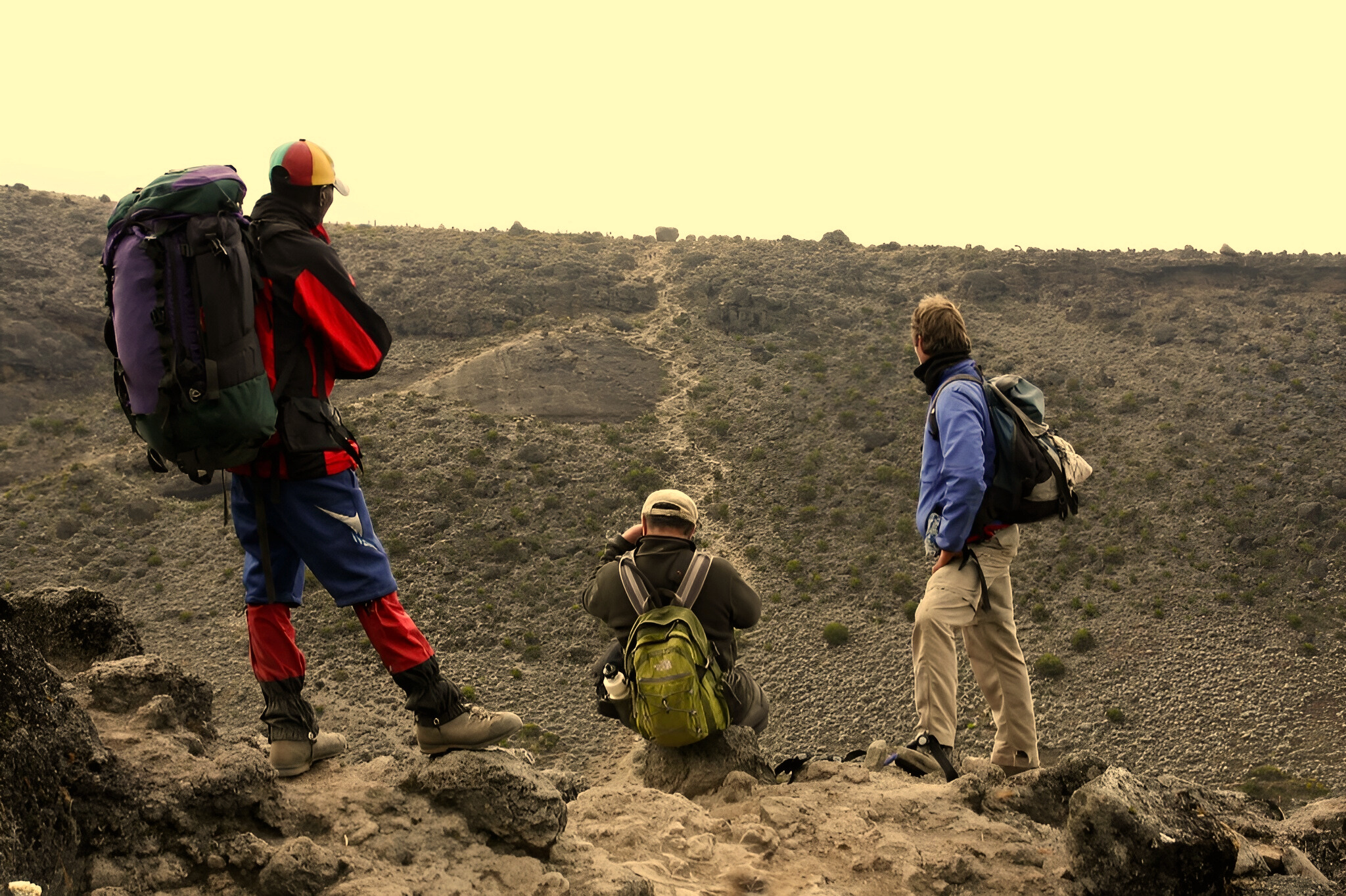
The trail then circles the mountain’s quieter northern slopes, offering breathtaking panoramic views and a true wilderness experience.
Acclimatization & Itinerary Flexibility
The 9-day Northern Circuit itinerary is longer than most other Kilimanjaro routes, taking at least eight or nine days to complete. This extended duration significantly improves acclimatization and increases summit success rates.
On the 8-day variation, the trek proceeds directly to Moir Camp, bypassing the additional acclimatization day typically spent at Shira Camp 2.
Northern Circuit Route Highlights
Highest summit success rate on Kilimanjaro
Excellent acclimatization profile
Fewer climbers and less traffic
360-degree panoramic mountain views
Diverse scenery from rainforest to alpine desert
The 9 Days Northern Circuit Trek is ideal for adventurers who want a safe, scenic, and less crowded climb to Uhuru Peak.
Day by Day Itinerary
DAY 1: Arrival
Following your pickup from Kilimanjaro International Airport and transfer to your hotel in Moshi Town, you will meet your guide who will give you an overview of your forthcoming trip and inspect your equipment to ensure you have all you need for the mountains. This is the day to rent the missing equipment.
Meals: Breakfast, Lunch & Dinner Included
DAY 2: Londorossi Gate (2,100 meters) – Start Point 2,360 meters to Mti Mkubwa Camp (2,820 meters)
Commencing at Londorossi Gate (2,100 meters) in the West, the Northern Circuit Route shares the same starting point as the Lemosho Route. It takes about two hours to go to Londorossi Gate from Moshi, and much longer to get there from Arusha. After checking in with the Kilimanjaro National Park authorities at the gate, you will be taken higher up the mountain to the trailhead. This is where most tour operators serve lunch before starting the short hike to Mti Mkubwa Camp (2,820 meters) on the first day. While hiking to your first camp, you might be lucky enough to see enormous species like buffalo and elephants that occasionally emerge onto the path from the rainforest. When you arrive at Mti Mkubwa Camp, dinner will be provided.
Distance: ~5.5km / 3 miles
Trekking time: 3-4 hours
Zone: Rainforest
Meals: Breakfast, Lunch & Dinner Included
DAY 3: Mti Mkubwa Camp (2,820 meters) to Shira Camp 1 (3,610 meters)
Beginning in the West at Londorossi Gate (2,100 meters), the Northern Circuit Route shares the same starting point as the Lemosho Route. From Moshi, the travel to Londorossi Gate takes about two hours, while from Arusha, it takes somewhat longer. After registering with the Kilimanjaro National Park authorities at the gate, you will be transported higher up the mountain to the trailhead. Before starting the short first day’s hike to Mti Mkubwa Camp (2,820 meters), most tour providers serve lunch here. As you make your way to your first camp, you might get lucky and see enormous species like buffalo and elephants that occasionally emerge onto the path from the rainforest. As soon as you get at Mti Mkubwa Camp, dinner will be provided.
Distance: ~5.5km / 3 miles
Trekking time: 3-4 hours
Zone: Rainforest
Meals: Breakfast, Lunch & Dinner Included
DAY 4: Shira Camp 1 (3,610 meters) to Shira Camp 2 (3,850 meters)
On the third day of the walk, Shira Camp 1 and Shira Camp 2 are separated by the Shira Plateau. Typically, nine-day hikers spend the night at Shira Camp 2, where they will meet up with other Machame Route hikers. Shira Camp 2 offers a breathtaking perspective of Kilimanjaro’s Western Breach and the valley below, making it worthwhile to hike a bit higher up the plateau. You should be ready for a chilly night with temperatures below zero because the plateau is exposed. The eight-day climb will take hikers eastward along the Shira Plateau ridge to Lava Tower (4,600 meters), from where they will descend by the Northern Circuit to Moir Camp (4,200 meters).
Distance: ~7km / 4 miles
Trekking time: 3-4 hours
Zone: Rainforest / Low Alpine Zone
Meals: Breakfast, Lunch & Dinner Included
DAY 5: Shira Camp 2 (3,850 meters) to Moir Camp (4,200 meters)
The fourth day involves a lengthy walk east through the “Garden of the Senecios” and into the high alpine desert. You go up to the famous Shark’s Tooth rock formation at 4,600 meters in the morning, where you will have lunch. Following lunch, you’ll continue on the northern circuit and descend to the 4,200-meter Moir Camp. This is a crucial day for your hike since it will allow you to experience high-altitude and then low-altitude sleep, both of which are beneficial for acclimatization.
Distance: ~14km / 8 miles
Trekking time: 5-7 hours
Zone: Low alpine zone / High alpine zone
Meals: Breakfast, Lunch & Dinner Included
DAY 6: Moir Camp (4,200 meters) to Buffalo Camp (4,020 meters)
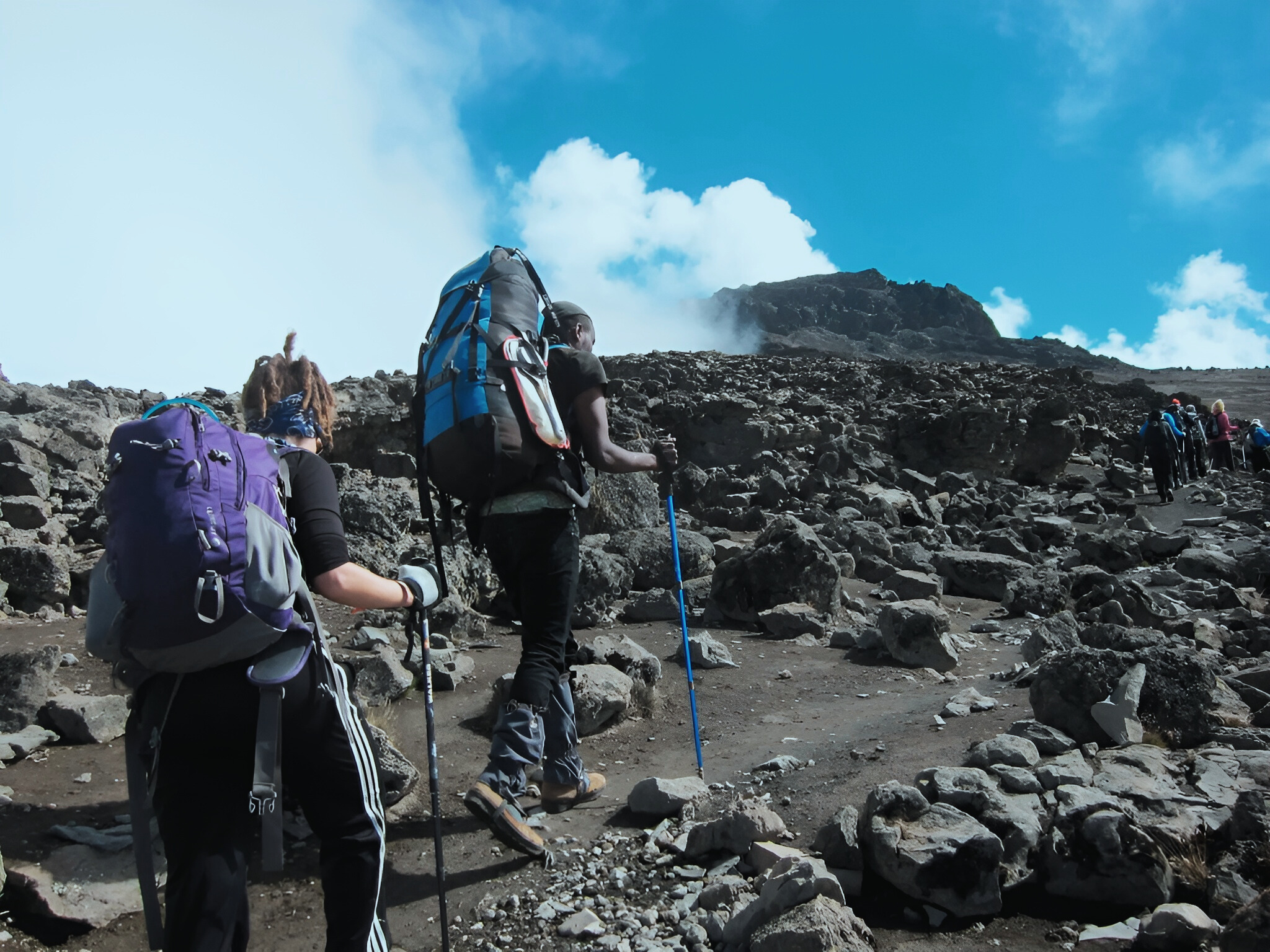
On the fifth day, there is a climb out of Moir Valley that is somewhat difficult. Hikers can make a little detour to reach the 4,375-meter top of Little Lent Hill from here, and then retrace their steps to rejoin the Northern Circuit trail. From this point on, the route makes a succession of ascents and descents as it circles around Kibo’s northern slopes to reach Buffalo Camp (4,020 meters).The walk offers breathtaking views of the lowlands that stretch to the Kenyan/Tanzanian border and lie north of Kilimanjaro. After a strenuous day of hiking, you will arrive at Buffalo Camp shortly after midday, where you may eat lunch and relax.
Distance: ~12km / 7 miles
Trekking time: 5-7 hours
Zone: High alpine zone
Meals: Breakfast, Lunch & Dinner Included
DAY 7: Buffalo Camp (4,020 meters) to Rongai Third Cave (3,800 meters)
The sixth day begins with an ascent over Buffalo Ridge and a descent into Porfu Camp, where lunch is typically provided. After that, the path heads east over the northern slopes to 3,800 meters to the Rongai Third Cave. You should be feeling well acclimated to the altitude by now because the walk is shorter than it was the day before. It will not be too late in the afternoon when you reach the Third Cave.
Distance: ~8km / 5 miles
Trekking time: 5-7 hours
Zone: High alpine zone and low alpine zone
Meals: Breakfast, Lunch & Dinner Included
DAY 8: 3rd Cave (3,800 meters) to School Hut (4,800 meters)
The seventh day consists of a continuous ascent up and over the Saddle, which is situated between Mawenzi Peak and Kibo Peak. The hikers then proceed to trek up to School Hut (4,800 meters) in a southwest direction. You will be given an early dinner at School Hut, and afterward you should get some rest because you will need to get up before midnight in order to begin your summit attempt. Before you go to bed, don’t forget to gather all of your equipment, including warm clothes, insulated water bottles, munchies, a headlamp, and a camera.
Distance: ~15km / 8 miles
Trekking time: 4-5 hours
Zone: High alpine zone and glacial zone
Meals: Breakfast, Lunch & Dinner Included
DAY 9: School Hut (4,800 meters) to Uhuru Peak (5895m) to Millennium Camp (3790m)
Around 11:30, you will be awakened with hot tea and biscuits, and under the cover of darkness, you will start the difficult ascent up Kibo’s slopes. Hans Meyer Cave is your first checkpoint, and here you will pause for a brief rest. After leaving School Hut, it will take about five to six hours to reach Gilman’s Point (5,681 meters), when the ascent becomes steeper. While you’re enjoying the amazing view of Mawenzi Peak and the impending dawn, keep in mind that you still have two hours of walking left to reach Uhuru Peak, so save your energy. As you head around the crater rim to the west, the slope flattens, and you should reach the top at or shortly after sunrise.
Since your time here will be limited, make sure to capture as many images as you can of the breathtaking vistas and nearby glaciers. After reaching Stella Point (5,739 meters), you will retrace your steps around the crater rim. From there, you will continue south and descend Kibo’s severely scoured slopes to Barafu Camp (4,680 meters). Here, most hikers stop for a little rest before descending to Millennium Camp (3,950 meters), where they spend their last night on the mountain. On day eight, you will be trekking for a total of 14–16 hours, so pace yourself, stay hydrated, and maintain a healthy blood sugar level. Note: Some tour companies use the Marangu Route to return to Horombo Hut via Gilman’s Point.
Distance: ~6km / 3.5 miles ascent and 10.5km / 6 mile descent
Trekking time: 6-8 hours ascent and then 4-6 hour descent
Zone: Glacial zone and all preceding zones
Meals: Breakfast, Lunch & Dinner Included
DAY 10: Millennium Camp (3,950 meters) to Mweka Gate (1,640 meters)
Walking from Millennium Camp (3,950 meters) to Mweka Gate (1,640 meters) on the last day takes you through a deep montane rainforest. You must check out with the officials at the gate. They will also give you your official certificate; for those who made it to Gilman’s Point, a green certificate awaits you, and for those who made it to Uhuru Peak, a gold certificate. Before being driven back to your Moshi hotel, it is traditional to tip your guide and porter.
Distance: ~10km / 6.5 miles
Trekking time: 3-4 hours
Zone: Rainforest zone
Meals: Breakfast, Lunch & Dinner Included
DAY 11: Depart Tanzania
After the hike, you have the entire day to relax before your journey home. Before leaving for the airport, you could visit Moshi town and pick up some mementos, depending on when your flight is leaving.
*If you want to continue exploring Tanzania, add-ons like Safari and Zanzibar are available.
Meals: Breakfast Included
Combine Your Trek with Tanzania Safari Tours
After conquering Kilimanjaro, extend your adventure with unforgettable Tanzania safari tours. Explore world-famous wildlife destinations such as:
We create seamless mountain-to-safari packages, giving you the ultimate Tanzania experience in one journey.
-
1 Person - 3375/Person
-
2 - 4 People - 2925/Person
-
5 - 7 People - 2700/Person
-
8 - 10 People - 2475/Person
-
11 & Above - 2250/Person
Enquire This Trekking
Related Trekking Safaris

Includes and excludes
What is included in this trekking?
Items that are included in the cost of the trekking price.
- All transfers to the mountain and back to your hotel
- Professional, experienced, mountain guides
- Porters, Cook salaries and park fees
- Quality, waterproof, four-season mountain sleeping tents (on twin sharing basis)
- Sleeping Mattress
- Emergency Oxygen Cylinder
- All meals while on the Mountain
- Quality Mess tents with table and chairs
- Large portions of fresh, healthy, nutritious food
- Clean, purified drinking water
- Conservation fees (part of park fees)
- Camping or Hut fees (part of park fees)
- Rescue fees (part of park fees)
- VAT (18% charged by the Government)
What is included in this trekking?
Items that are not included in the cost of the trekking price.
Tanzania Visa
International and domestic flights
Hotel (available as an optional addon)
Transfers (available as an optional addon)
Personal trekking equipment such as sleepings bags, hiking boots, clothes, etc (available for renting)
Tips and gratuities
Travel insurance
Personal Expenses (e.g. laundry, telephone, beverages, etc.)
Meals not listed in the itinerary
Liquors, beers and bottled beverages


