Introduction
Kilimanjaro National Park is home to Mount Kilimanjaro, Africa’s highest mountain and one of Tanzania’s most iconic natural landmarks and a major destination for Kilimanjaro trekking.. Rising to 5,895 metres above sea level, Kilimanjaro stands dramatically above the surrounding plains, creating one of the most remarkable landscapes in East Africa.
Unlike a conventional wildlife destination, a visit to Kilimanjaro National Park is largely about experiencing the mountain itself. Trekkers move through changing landscapes as they climb from lush forest into open heath and moorland, alpine desert and finally the high-altitude summit zone.
The mountain has three major volcanic features: Kibo, Mawenzi and Shira. Kibo is the tallest of the three and includes Uhuru Peak, which is the highest point in Africa. The remarkable change in scenery with altitude is one of the reasons Kilimanjaro trekking is such a memorable experience.
Travellers can combine a Kilimanjaro adventure with a Northern Tanzania safari and explore some of Tanzania’s most famous wildlife destinations such as Arusha National Park, Tarangire National Park and Serengeti National Park.
Where Is Kilimanjaro National Park?
Kilimanjaro National Park is located in northern Tanzania, near the town of Moshi and within the wider Kilimanjaro Region. The park surrounds Mount Kilimanjaro and protects the mountain’s major ecological zones and surrounding natural habitats.
Its location makes Kilimanjaro relatively easy to combine with other northern Tanzania experiences. Kilimanjaro International Airport is the nearest major airport, while Arusha and Moshi are commonly used as bases before and after a mountain climb. Tanzania National Parks (TANAPA) places the airport approximately 40 kilometres from the park.
The mountain rises dramatically above the surrounding landscape, which means it can also be seen from areas outside the park on clear days.
Mount Kilimanjaro – Africa’s Highest Mountain
Mount Kilimanjaro reaches 5,895 metres (19,341 feet) at Uhuru Peak, making it the highest mountain in Africa. It is also recognised as the world’s tallest free-standing mountain, according to the UNESCO World Heritage Centre
Kilimanjaro is a volcanic massif made up of three principal volcanic cones:
- Kibo – the highest and central volcanic cone, rising to 5,895 metres.
- Mawenzi – the rugged second-highest peak at 5,149 metres.
- Shira – the oldest of the three volcanic formations, reaching about 3,962 metres.
Kibo is home to the summit area and Uhuru Peak, where trekkers aim to reach the highest point of the mountain.
One of the most interesting aspects of Kilimanjaro is how the environment changes significantly with increasing altitude. A single climb can take you from farmed lower slopes and forested areas to open moorlands, alpine deserts, and ultimately the icy landscape at the summit
Kilimanjaro National Park’s Ecological Zones
One of the defining features of Kilimanjaro National Park is its succession of vegetation and climatic zones.
Cultivated and Lower Slopes
The lower slopes of Mount Kilimanjaro are influenced by farming communities living around the mountain. Coffee, bananas and other crops are cultivated in the surrounding areas, particularly on the wetter southern and eastern sides.
Montane Forest
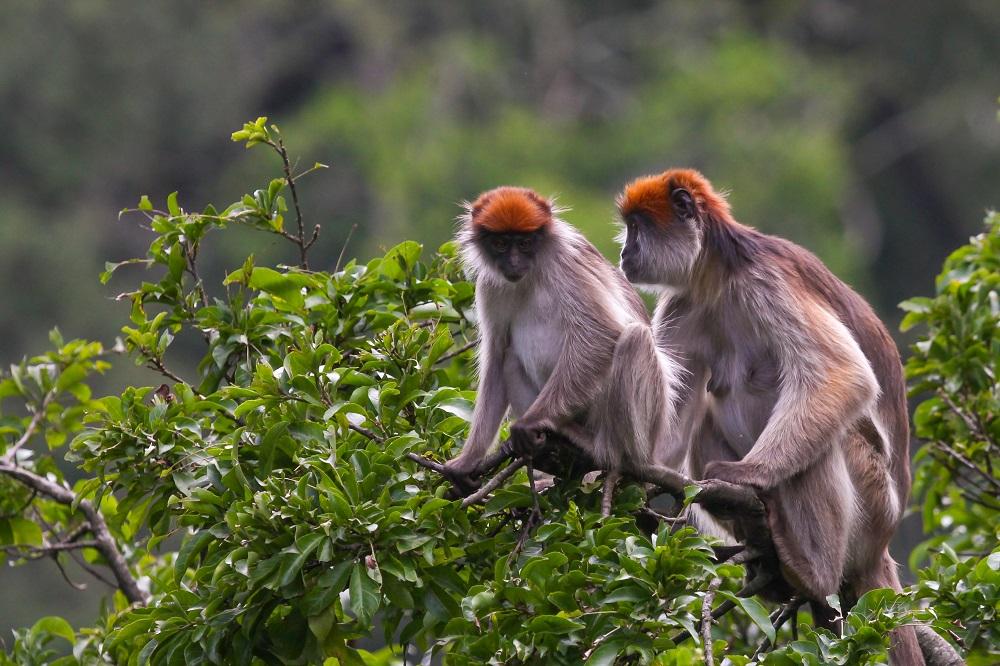
Higher up, the landscape becomes greener and more forested. This montane forest provides habitat for species such as blue monkeys, black-and-white colobus monkeys, bushbuck, duiker and buffalo.
Heath and Moorland
Above the forest, the vegetation gradually becomes more open. Giant heathers, lobelias and giant senecios create a distinctive high-altitude landscape that feels completely different from the forest below.
Alpine Desert
The alpine desert is characterised by rocky ground, sparse vegetation and dramatic volcanic scenery. Temperatures can change considerably between day and night at this elevation.
Summit Zone
The highest section of the mountain is a harsh environment of rock, ice and extreme altitude. The summit area around Kibo provides the final stage of the journey towards Uhuru Peak.
Together, these environments make Kilimanjaro climbing feel like a journey through several different worlds rather than a single mountain hike. UNESCO World Heritage Centre recognizes five major vegetation zones that stretch from the lower slopes all the way up to the summit.
Wildlife in Kilimanjaro National Park
Although Kilimanjaro National Park is best known for mountain trekking rather than traditional game drives, it is also home to a variety of wildlife.
In the forest zone, trekkers may encounter black-and-white colobus monkeys, blue monkeys, bushbuck, duiker and buffalo. Birdlife is also present throughout the mountain’s different habitats, including forest species and high-altitude birds.
Larger and more elusive animals can also occur in the park. Leopards and spotted hyenas are present but are rarely seen.
The wildlife experience here is therefore very different from a classic safari in the Serengeti or Ngorongoro. The main attraction is the mountain, while wildlife and bird sightings add another dimension to the trekking experience.
Things to Do in Kilimanjaro National Park
Climb Mount Kilimanjaro
The main reason travellers visit Kilimanjaro National Park is to climb Mount Kilimanjaro and attempt to reach Uhuru Peak.
The climb is not a technical mountaineering expedition on the standard trekking routes, but reaching nearly 6,000 metres requires preparation, physical endurance and proper acclimatisation.
Notes that climbs to Kibo can take approximately 5 to 8 days depending on the route, with longer itineraries generally providing more time for acclimatisation.
Trek Through Different Climate Zones
Even before reaching the summit, the changing landscape is one of the highlights of the experience. Trekkers pass through forest, heath, moorland and alpine desert before entering the summit zone.
Experience Kilimanjaro’s Mountain Landscapes
The mountain offers spectacular views of volcanic formations, high-altitude valleys, ridges and surrounding plains. Mawenzi and the Shira Plateau are particularly distinctive features of the Kilimanjaro landscape.
Mountain Cycling
Kilimanjaro National Park also offers mountain cycling. Tanzania National Parks (TANAPA) identifies cycling opportunities on the Kilema route for summit-bound visitors and on the Shira Plateau for visitors who do not intend to summit.
Kilimanjaro Climbing Routes
There are several established routes to the summit of Mount Kilimanjaro, and each provides a different experience in terms of scenery, duration, terrain and acclimatisation.
Machame Route
The Machame Route is well known on Kilimanjaro for its diverse scenery and memorable camping experience, leading trekkers through forest, across the Shira Plateau and into high-altitude terrain before reaching the summit.
Best for: Travellers looking for a scenic and adventurous Kilimanjaro climb.
Marangu Route
The Marangu Route approaches the mountain from the eastern side and is notable because it uses mountain huts rather than camping throughout the route.
Best for: Climbers who prefer hut accommodation and a more established trekking route.
Lemosho Route
The Lemosho Route begins on the western side of Kilimanjaro and is known for its scenic landscapes and longer approach. The additional time can provide a more gradual acclimatisation experience.
Best for: Travellers who want a scenic route with more time on the mountain.
Rongai Route
The Rongai Route approaches Kilimanjaro from the northern side, close to the Kenyan border. It offers a different perspective of the mountain and is often considered by travellers looking for a quieter approach.
Best for: Climbers interested in the northern side of Kilimanjaro and a less crowded experience.
Northern Circuit
The Northern Circuit takes a longer route around the mountain, giving trekkers more time to experience Kilimanjaro’s different landscapes.
Best for: Travellers with more time who want a longer trekking itinerary and extensive acclimatisation.
Umbwe Route
The Umbwe Route Route offers a steep and demanding climb, making it a better choice for experienced trekkers who are prepared for a challenging ascent.
Best for: Experienced climbers seeking a more demanding route.
Best Time to Climb Kilimanjaro
Kilimanjaro can be climbed throughout the year, but weather conditions vary considerably between seasons.
The generally preferred periods are June to October and January to early March, when conditions are often drier and visibility can be better. The wetter periods include the long rains around April and May and the shorter rains later in the year.
However, there is no completely predictable “perfect” month on Mount Kilimanjaro. Weather can change quickly with altitude, and conditions near the summit can be very different from those at the mountain’s lower slopes.
Choosing the right season should therefore take into account your preferred route, available time, trekking experience and tolerance for colder or wetter conditions.
How Difficult Is Climbing Kilimanjaro?
Climbing Kilimanjaro is physically demanding, even though the standard routes do not require advanced technical climbing skills.
The greatest challenge for many trekkers is altitude. The mountain rises from relatively low elevations to almost 6,000 metres, giving the body limited time to adjust to the decreasing oxygen availability.
A suitable itinerary should therefore allow enough time for acclimatisation. Walking slowly, staying hydrated, eating properly and following the instructions of your mountain guide are all important parts of a responsible Kilimanjaro climb.
Fitness is important, but preparation is not simply about being able to walk long distances. Altitude acclimatisation, pacing and mental resilience are equally important.
A suitable itinerary should therefore allow enough time for acclimatisation. Walking slowly, staying hydrated, eating properly and following the instructions of your mountain guide are all important parts of a responsible Kilimanjaro climb.
Fitness is important, but preparation is not simply about being able to walk long distances. Altitude acclimatisation, pacing and mental resilience are equally important.
How Difficult Is Climbing Kilimanjaro?
Climbing Kilimanjaro is physically demanding, even though the standard routes do not require advanced technical climbing skills.
The greatest challenge for many trekkers is altitude. The mountain rises from relatively low elevations to almost 6,000 metres, giving the body limited time to adjust to the decreasing oxygen availability.
A suitable itinerary should therefore allow enough time for acclimatisation. Walking slowly, staying hydrated, eating properly and following the instructions of your mountain guide are all important parts of a responsible Kilimanjaro climb.
Fitness is important, but preparation is not simply about being able to walk long distances. Altitude acclimatisation, pacing and mental resilience are equally important.
A suitable itinerary should therefore allow enough time for acclimatisation. Walking slowly, staying hydrated, eating properly and following the instructions of your mountain guide are all important parts of a responsible Kilimanjaro climb.
Fitness is important, but preparation is not simply about being able to walk long distances. Altitude acclimatisation, pacing and mental resilience are equally important.
What to Expect on a Kilimanjaro Trek
A Kilimanjaro trekking experience is different from an ordinary hiking holiday.
Your days generally begin early, followed by several hours of walking through changing terrain. As you gain altitude, the landscape becomes increasingly open and rugged.
The summit attempt is usually the most demanding part of the journey. Climbers leave camp during the night or very early morning and continue towards Uhuru Peak in cold, thin air.
Reaching the summit can be physically exhausting, but standing on the highest point in Africa and looking across the surrounding landscape creates a memorable sense of achievement.
Kilimanjaro National Park and Conservation
Kilimanjaro National Park was established in 1973 and became a UNESCO World Heritage Site in 1987. The protected area covers approximately 75,575 hectares, according to the UNESCO World Heritage Centre
The mountain’s forests, high-altitude ecosystems and wildlife are important parts of its natural heritage. Conservation challenges include pressure from tourism, land-use changes, invasive species, fire and climate change. UNESCO also identifies the retreat of the mountain’s glaciers as an important vulnerability
Visitors can contribute to responsible tourism by following park regulations, avoiding litter, respecting wildlife and supporting properly managed trekking operations.
Kilimanjaro National Park FAQs
Is Kilimanjaro National Park worth visiting?
Yes. Kilimanjaro National Park is an excellent destination for travellers interested in mountain trekking, dramatic landscapes and one of Africa’s most iconic natural landmarks. It is especially worthwhile for travellers who want to experience Mount Kilimanjaro rather than simply view it from a distance.
How high is Mount Kilimanjaro?
Mount Kilimanjaro reaches 5,895 metres (19,341 feet) at Uhuru Peak, making it the highest mountain in Africa, according to the UNESCO World Heritage Centre
Can beginners climb Mount Kilimanjaro?
Many first-time trekkers successfully climb Kilimanjaro, but the mountain should not be underestimated. Choosing an appropriate route with enough time for acclimatisation is important, especially for people without previous high-altitude trekking experience.
How many days do you need to climb Kilimanjaro?
A Kilimanjaro climb can take several days depending on the route and itinerary. Longer climbs generally allow more time for acclimatisation and a more gradual ascent. TANAPA (Tanzania National Parks) states that climbing to Kibo can take approximately 5–8 days depending on the route.
How Do You Choose the Best Route to Climb Kilimanjaro?
The best route to climb Kilimanjaro depends on your experience, fitness, budget, and available time. Machame suits trekkers looking for scenic landscapes, while Lemosho is ideal for those who prefer a longer climb with more time for acclimatization. Marangu suits climbers who prefer mountain huts, while the Northern Circuit is a good option for those wanting a longer and quieter route.
What Animals Can You See When Climbing Mount Kilimanjaro?
Wildlife in Kilimanjaro National Park includes blue monkeys, black-and-white colobus monkeys, bushbuck, duiker and buffalo, while leopard and spotted hyena are present but rarely seen.
Can Kilimanjaro be combined with a Tanzania safari?
Yes. Kilimanjaro is an excellent addition to a Tanzania safari itinerary. Travellers can combine a mountain climb with wildlife destinations such as Arusha National Park, Tarangire, Ngorongoro and Serengeti.
Plan Your Kilimanjaro Adventure
.Kilimanjaro National Park offers much more than a chance to stand on Africa’s highest point. It is a journey through forests, volcanic landscapes, high-altitude deserts and some of Tanzania’s most impressive mountain scenery.
Whether you are considering the Machame Route, Lemosho Route, Marangu Route, Rongai Route or Northern Circuit, the experience is best planned around your fitness, available time and preferred style of trekking.
After climbing Kilimanjaro, travellers can continue their journey to Arusha National Park, Tarangire National Park, or the Ngorongoro Conservation Area.
Ready to plan your Kilimanjaro adventure? Contact Sana Wild Experience for a personalised Kilimanjaro trekking itinerary and Tanzania safari combination.
Enquire This Destination
Related Destinations