Maasai Mara Game reserve– Wildlife, Great Migration & Safari Guide
Introduction
The Masai Mara Game Reserve is one of Kenya’s most celebrated wildlife destinations, known for its open grasslands, abundant wildlife and unforgettable safari experiences. Located in southwestern Kenya, the reserve forms part of the wider Mara ecosystem, a landscape where wildlife moves across open plains, riverine areas and surrounding conservancies.
For many travellers, a Masai Mara safari is about more than ticking animals off a list. Early morning drives can reveal lions returning from a night hunt, elephants moving quietly across the plains and large herds of grazing animals stretching towards the horizon. The changing light, open scenery and unpredictable movement of wildlife give every game drive its own character.
The reserve is also closely associated with the Great Migration, when huge numbers of wildebeest and other grazing animals move between the Serengeti ecosystem in Tanzania and the Maasai Mara in Kenya. The timing and exact location of the animals change from year to year, so the migration should be viewed as a natural process rather than a guaranteed event on a fixed schedule.
Where Is Masai Mara Game Reserve?
The Masai Mara Game Reserve is located in southwestern Kenya, close to the country’s border with Tanzania. It lies within the greater Mara ecosystem, which extends beyond the reserve itself and includes neighbouring wildlife conservancies.
The reserve can be reached from Nairobi by road or by scheduled and charter flights to airstrips serving the Mara area. Travelling by road allows visitors to experience more of the Kenyan countryside, while flying can significantly reduce travel time.
Its location also makes the Masai Mara an important part of an East African safari itinerary.. Travellers can combine a Kenya safari with a Tanzania safari, particularly the Serengeti National Park, creating a journey through one connected wildlife landscape.
Wildlife in Masai Mara
Wildlife is the heart of the Masai Mara experience. The open grasslands provide excellent conditions for spotting a wide range of animals, particularly during game drives.
Masai Mara is well known for sightings of:
- Lions
- Leopards
- Cheetahs
- Elephants
- Buffaloes
- Giraffes
- Zebras
- Wildebeest
- Hippos
- Crocodiles
- Hyenas
- Gazelles
- Impalas
The Mara is especially recognised for its big cats. Lions can often be seen resting after a night of activity, while cheetahs may use the open plains to search for prey. Leopards are more elusive and require patience, careful observation and an experienced guide.
Wildlife sightings are never guaranteed, however. Animals move freely through their habitat, and the quality of a safari often comes from following their behaviour rather than simply searching for a predetermined list of species.
The Great Migration in Masai Mara
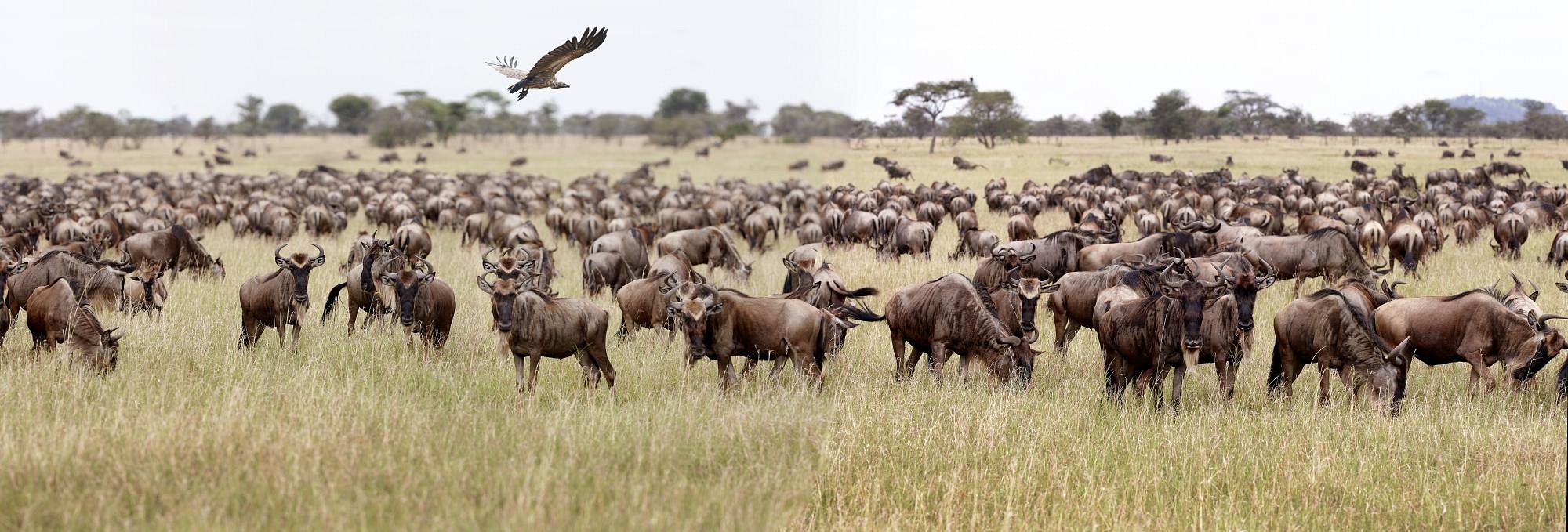
The Great Migration is one of the major reasons travellers choose to visit the Masai Mara. Each year, large herds of wildebeest, accompanied by zebras and other grazing animals, move through the Serengeti-Mara ecosystem in search of fresh grazing and water.
When the herds reach the Mara ecosystem, some of the most dramatic scenes can occur around the Mara River. Wildebeest may gather along the riverbanks before attempting to cross, sometimes hesitating for long periods before making the move.
River crossings are naturally unpredictable. There is no exact day or location when a crossing will happen, and visitors should be prepared for periods of waiting. The experience is therefore about observing the animals and the surrounding ecosystem rather than simply arriving at a river and expecting an immediate crossing.
The migration is also much broader than the famous river crossings. It is a continuous movement of animals across the wider Serengeti-Mara ecosystem.
What Is the Best Time to Visit the Masai Mara?
The best time to visit the Masai Mara Game Reserve depends on what you want to experience.
July to October
These months are commonly associated with the period when migrating herds may be present in the Mara ecosystem. Travellers interested in the Great Migration and possible Mara River crossings often consider this period when planning their safari.
However, wildlife movements depend on rainfall, grazing conditions and other natural factors. The arrival and departure of the herds can therefore vary from one year to another.
January to March
The beginning of the year can offer good wildlife viewing, with generally favourable conditions for game drives. This period can suit travellers who want to focus on resident wildlife rather than planning their entire trip around migration activity.
April to June
These months can bring wetter conditions in parts of the region. The landscape can become greener, and fewer visitors may create a different safari atmosphere. Rainfall patterns vary, so travellers should consider current conditions when planning their trip.
November to December
Short rains can influence wildlife movements and landscape conditions. The reserve can still provide rewarding game viewing, particularly for travellers who want to experience the Mara outside the busiest migration period.
Top Best Activities to Do in Masai Mara Game Reserve
Go on a Game Drive
A game drive is the main way to explore the reserve. Early morning and late afternoon are particularly rewarding periods because many animals are more active around these times.
A knowledgeable safari guide can also help interpret animal behaviour, identify tracks and explain how different species interact within the ecosystem.
Look for the Big Cats
The Masai Mara is an important destination for travellers interested in lions, cheetahs and leopards. Searching for big cats can become one of the most memorable parts of a safari, particularly when guides take time to observe their behaviour rather than simply moving from one sighting to another.
Experience the Great Migration
If your travel dates coincide with the movement of the wildebeest, you may have an opportunity to witness part of the Great Migration. The experience can range from watching huge herds cross open plains to observing animals gathering around rivers.
Explore the Mara River
The Mara River is an important part of the ecosystem and is closely associated with the annual migration. It also supports resident wildlife such as hippos and crocodiles.
Enjoy a Hot-Air Balloon Safari
A hot-air balloon experience offers a different perspective of the Mara landscape. Floating above the plains at sunrise can reveal the scale of the ecosystem while providing a memorable view of wildlife from above.
Balloon flights are weather dependent and normally operate under specific safety and operational conditions.
Experience Maasai Culture
A visit to the Mara can also provide an opportunity to learn about Maasai communities living around the wider ecosystem. Cultural experiences may include learning about traditional livelihoods, local customs, crafts and the relationship between communities and the surrounding environment.
Why Choose a Masai Mara Safari?
A Masai Mara safari offers a combination of wildlife diversity, open landscapes and opportunities to experience one of Africa’s best-known migration ecosystems.
It can be particularly appealing to travellers who want:
- Excellent opportunities for big-cat sightings
- Classic African savannah scenery
- A chance to experience the Great Migration
- Photographic opportunities
- Private and small-group safari experiences
- Cultural experiences with local communities
- A safari that can be combined with other Kenyan or Tanzanian destinations
One of the great advantages of the Mara is that you can enjoy the reserve at any time of year, without having to wait for the migration. Resident wildlife remains an important part of the ecosystem throughout the year.
Where to Stay in Masai Mara
Accommodation around the Masai Mara ranges from comfortable safari camps and tented camps to more exclusive lodges and luxury properties.
Your choice of accommodation can influence the character of your safari. Some travellers prefer staying close to wildlife areas for easier access to morning game drives, while others prioritise comfort, privacy and views over the surrounding landscape.
When choosing where to stay, consider:
- Location
- Distance to wildlife areas
- Accommodation style
- Meal arrangements
- Game-drive options
- Budget
- Whether you are travelling during the migration period
For a personalised safari, it is useful to choose accommodation based on your itinerary rather than selecting a property simply because it is highly advertised online.
How to Get to Masai Mara
The Masai Mara can be reached by road from Nairobi or by air.
By Road
Travelling by road offers an opportunity to see rural Kenya and experience the changing scenery on the way to the Mara. The journey takes several hours, depending on the starting point, route and road conditions.
By Air
Several air services connect the Mara area with Nairobi and other safari destinations. Flying can be a convenient option for travellers with limited time or those combining several safari destinations.
Your safari planner can recommend the most practical option based on your itinerary, budget and travel dates.
Masai Mara and Serengeti: One Connected Ecosystem
The Masai Mara and Serengeti are not completely separate wildlife stories. They form part of the wider Serengeti-Mara ecosystem, where animals move across national boundaries as they respond to seasonal changes in food and water.
For travellers visiting both Kenya and Tanzania, combining the two destinations can provide a broader understanding of this remarkable ecosystem.
A Kenya-Tanzania safari can also allow you to experience different landscapes, wildlife areas and cultural settings, with a Northern Tanzania safari providing an opportunity to explore destinations such as Serengeti and Ngorongoro..
Frequently Asked Questions About Masai Mara Game Reserve
What is Masai Mara Game Reserve famous for?
The Masai Mara is famous for its abundant wildlife, open savannah landscapes, big cats and its connection with the Great Migration.
Is Masai Mara good for seeing the Big Five?
The reserve offers opportunities to see the Big Five: lion, leopard, elephant, buffalo and rhinoceros. Wildlife sightings depend on natural conditions and animal movements, so encounters cannot be guaranteed.
What Months Can You See the Great Migration in Masai Mara??
The migrating herds commonly enter the Mara ecosystem during part of the second half of the year, but the timing changes according to rainfall, grazing conditions and other natural factors.
Can I see the Mara River crossing?
It is possible to witness a wildebeest river crossing when the migration is in the area, but crossings are unpredictable. The animals may gather at a riverbank for hours or days before crossing, and some may change direction.
How Much Time Should You Allow for Masai Mara?
A stay of two to four nights can provide a good amount of time for game drives and wildlife exploration. Travellers interested in photography or the Great Migration may prefer a longer stay to allow more flexibility.
Can I combine Masai Mara with Tanzania?
Yes. The Masai Mara can be incorporated into a wider East African safari that includes destinations such as the Serengeti, Ngorongoro Conservation Area and other northern Tanzania attractions.
Is Masai Mara suitable for a first safari?
The reserve can be a strong introduction to an African safari because of its open landscapes, diverse wildlife and range of safari experiences. The best itinerary depends on your interests, available time and budget.
Plan Your Masai Mara Safari
The Masai Mara Game Reserve brings together wildlife, open savannah landscapes and one of the world’s most remarkable animal movements. Whether your main interest is the Great Migration, big cats, photography, family travel or simply spending time in the African wilderness, the Mara offers many different ways to experience Kenya.
Rather than planning your trip around a single wildlife sighting, allow enough time to explore the ecosystem and follow the natural rhythm of the animals.
If you are planning to combine Kenya and Tanzania, explore our Tanzania safari packages to discover itineraries that can be tailored around your travel dates and interests.