10 Days Mara River Crossing
OVERVIEW
Lake Manyara National Park may not cover the vast distances of the Serengeti, but that is part of what makes it special. Within a relatively small area, the landscape changes surprisingly quickly, taking visitors through shady forest, open woodland, grassy areas and the lakeside environment beneath the Great Rift Valley escarpment.
Located in northern Tanzania, Lake Manyara National Park is a rewarding destination for travelers who want to experience wildlife, beautiful scenery and a different side of a Tanzania safari. The park is especially well known for elephants, large troops of baboons, exceptional birdlife and its famous tree-climbing lions.
Its location makes it easy to include in a Northern Tanzania safari with destinations such as Tarangire National Park, the Ngorongoro Conservation Area and Serengeti National Park. Whether you visit for a few hours or as part of a longer journey through Tanzania’s northern safari circuit, Lake Manyara offers an enjoyable and varied safari experience.
Where Is Lake Manyara National Park?
Lake Manyara National Park is located in northern Tanzania, close to the lively town of Mto wa Mbu. It sits along the route that connects Arusha with several of Tanzania’s best-known safari destinations.
The park lies beneath the impressive Great Rift Valley escarpment, which forms a dramatic backdrop to the surrounding landscape. Lake Manyara itself is an important part of the ecosystem and, depending on seasonal conditions and water levels, supports a variety of birds and other wildlife.
From Arusha, the journey to Lake Manyara usually takes around two to three hours by road. Because of its convenient position, the park is often included in itineraries that continue towards Ngorongoro and the Serengeti.
What Makes Lake Manyara National Park Special?
One of the most appealing things about Lake Manyara is the variety you experience during a safari. The scenery does not remain the same throughout the game drive. You may begin among tall trees and thick vegetation, later emerge into more open areas and eventually explore habitats influenced by the lake.
This mixture of environments supports a wide range of animals and birds.
Lake Manyara is particularly known for:
- Tree-climbing lions
- Large elephant herds
- Olive baboons
- Diverse birdlife
- Forest and woodland habitats
- Scenic views of the Great Rift Valley
- A peaceful and varied Lake Manyara safari experience
For travelers who enjoy landscapes as much as wildlife, the park can be a refreshing contrast to Tanzania’s vast open plains.
Wildlife in Lake Manyara National Park
The diverse habitats of the park support a good variety of animals. Elephants are among the highlights of wildlife in Lake Manyara National Park, and visitors may encounter them moving through the woodland or feeding among the trees.
Large troops of olive baboons are another familiar sight. They can often be seen along the roads and in the forest, sometimes providing entertaining moments during a game drive.
Other animals that may be seen include:
- Lions
- Buffalo
- Giraffes
- Zebras
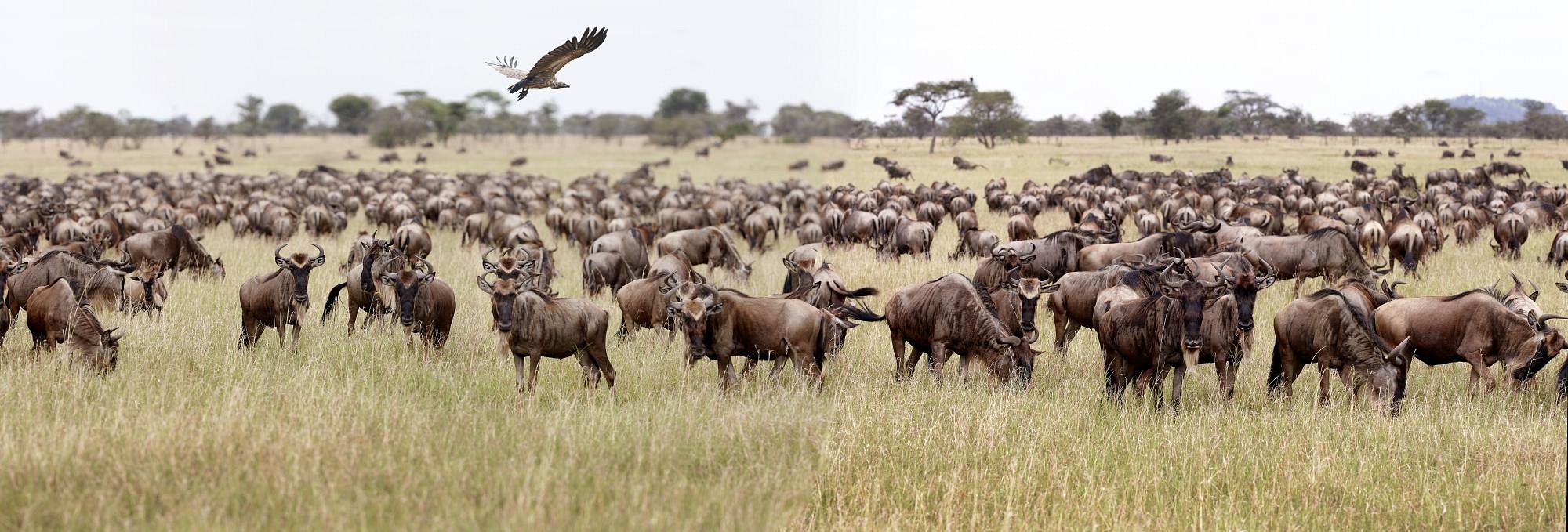
- Wildebeest
- Hippos
- Warthogs
- Impalas
- Waterbucks
- Bushbucks
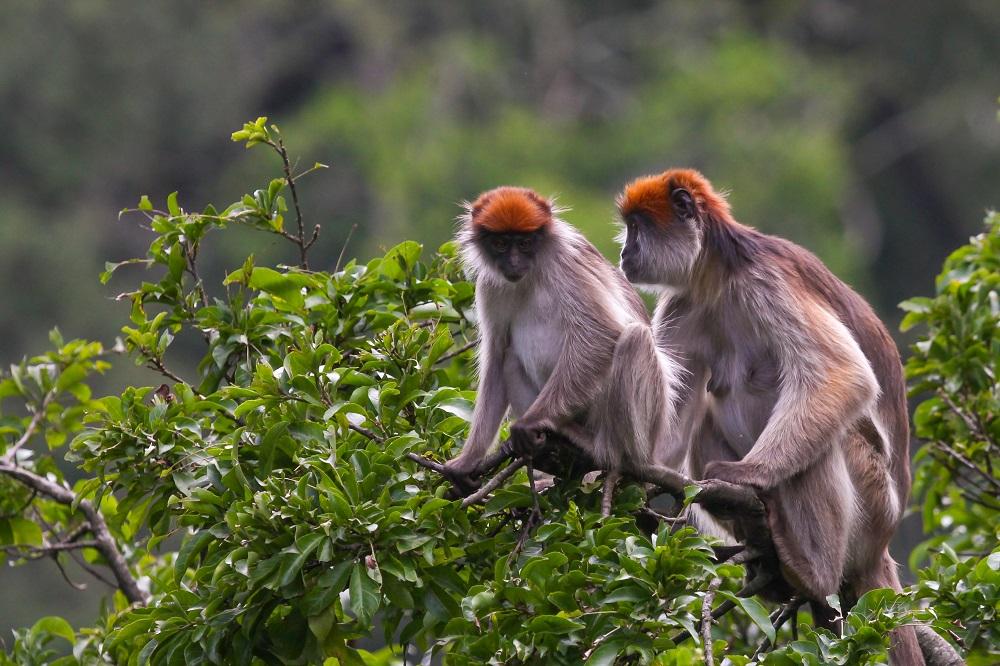
- Blue monkeys
Every safari offers a unique experience, so wildlife sightings cannot be guaranteed. Factors such as the season, weather conditions and the natural movement of animals can affect what you encounter during your visit. This element of unpredictability is part of what makes exploring a national park so exciting and rewarding.
Tree-Climbing Lions in Lake Manyara National Park
The tree-climbing lions of Lake Manyara National Park are among the park’s most famous attractions.
While lions are normally associated with resting on the ground, some lions in the Lake Manyara ecosystem are known to climb trees and spend time resting on branches. Seeing a lion stretched out above the ground can be an unforgettable sight and a wonderful opportunity for wildlife photography.
However, it is important to remember that this behaviour is natural and cannot be scheduled. Lions may be on the ground, hidden in vegetation or resting in other parts of the park during your visit.
For this reason, seeing a tree-climbing lion should be considered a special bonus during your Lake Manyara safari, rather than a guaranteed sighting.
Birdlife in Lake Manyara National Park
Birdwatchers will find plenty to enjoy in Lake Manyara National Park. The park’s forests, open areas and lakeside habitats attract a wide variety of bird species.
Depending on the season and conditions around the lake, visitors may encounter flamingos, pelicans, storks, herons and many other waterbirds. The woodland and forest areas also provide opportunities to spot colourful and interesting bird species.
Even travelers who are not dedicated birdwatchers often notice how active and diverse the birdlife is during a safari.
Lake Manyara can therefore be an excellent choice for visitors who enjoy combining wildlife viewing, photography and birdwatching.
When Is the Best Time to Visit Lake Manyara National Park?
The best time to visit Lake Manyara National Park depends largely on what you hope to experience during your safari.
June to October – Dry Season
The dry months are popular for safaris throughout northern Tanzania. This is a convenient period for travelers planning to combine Lake Manyara with destinations such as Tarangire, Ngorongoro and the Serengeti.
The weather is generally drier, and game drives can be comfortably included as part of a longer safari itinerary.
November to May – Green Season
During the greener months, the landscape around Lake Manyara becomes lusher and more vibrant. Rain brings fresh growth, creating beautiful scenery and attractive conditions for photography.
This period can also be particularly interesting for birdwatching, as seasonal changes can bring additional bird activity.
Rainfall varies throughout these months, so your safari experience will depend on when you travel.
The good news is that Lake Manyara National Park can be visited throughout the year, with each season offering a slightly different experience.
How to Reach Lake Manyara National Park
Most travelers reach Lake Manyara National Park by road from Arusha. The drive normally takes around two to three hours, depending on traffic and road conditions.
The park is conveniently positioned on the popular northern Tanzania safari route, making it easy to continue towards other destinations.
A possible route may look like this:
Arusha → Lake Manyara → Ngorongoro → Serengeti
Lake Manyara can also be combined with Tarangire National Park, depending on the number of days available and the type of Tanzania safari you want to experience.
For travelers flying into northern Tanzania, a safari usually begins from Arusha after arrival at Kilimanjaro International Airport or Arusha Airport.
How Long Should You Spend in Lake Manyara National Park?
For many travelers, one day is enough to enjoy the main highlights of Lake Manyara National Park.
A half-day game drive can also work well when Lake Manyara is included in a busy itinerary. However, a full day allows more time to enjoy wildlife sightings without rushing through the park.
Lake Manyara is commonly visited as part of a multi-day Northern Tanzania safari, rather than as the only destination on the itinerary.
Your ideal schedule will depend on how many days you have in Tanzania and which other national parks you plan to visit.
Accommodation Near Lake Manyara National Park
There are different accommodation options in and around the Lake Manyara area, including safari lodges, tented camps and more comfortable budget-friendly properties.
Some travelers prefer to stay close to the park, while others stay around Mto wa Mbu or along the route towards the Ngorongoro Conservation Area.
When choosing accommodation, it is helpful to consider:
- Your safari budget
- The level of comfort you prefer
- The number of nights in the area
- The next destination on your itinerary
- Whether you are travelling as a couple, with family or in a group
Choosing accommodation that fits your route can make your Tanzania safari more comfortable and reduce unnecessary driving time.
Top Things to Do in Lake Manyara National Park
Enjoy a Lake Manyara Safari Game Drive
A game drive is the best way to explore the different environments of Lake Manyara National Park. As you travel through the park, your guide can help you search for elephants, lions, buffalo, giraffes, baboons and other wildlife.
Because the park is relatively compact, it works well for travelers with limited time. A half-day or full-day Lake Manyara safari can provide a rewarding wildlife experience.
Wildlife and Nature Photography
Lake Manyara offers more than just animal photography. The changing scenery, forests, wildlife and dramatic Rift Valley backdrop provide plenty of opportunities to capture different images during the day.
Early morning and later afternoon are often particularly enjoyable for photography, when the light is softer and wildlife may be more active.
Discover the Birdlife
For travelers interested in birds, a safari in Lake Manyara can be especially rewarding. The combination of different habitats means there is always something interesting to look for, from birds near the water to species living in the forest and woodland.
Explore the Local Area Around Mto wa Mbu
The area around Mto wa Mbu offers an opportunity to experience another side of northern Tanzania. Depending on your safari plans, you may choose to include a cultural experience, local food or a visit to the community.
Combining a wildlife safari with time in the local area can add more variety to your journey.
Frequently Asked Questions About Lake Manyara National Park
What is Lake Manyara National Park famous for?
Lake Manyara National Park is best known for its tree-climbing lions, elephants, large troops of baboons, diverse birdlife and beautiful scenery beneath the Great Rift Valley escarpment.
Can you see tree-climbing lions in Lake Manyara National Park?
Yes, lions in the Lake Manyara area are known for occasionally climbing trees and resting on branches. However, wildlife sightings are never guaranteed, and lions may be found in different parts of the park during your visit.
What animals can I see in Lake Manyara National Park?
Visitors may see elephants, lions, buffalo, giraffes, zebras, hippos, wildebeest, baboons, monkeys and other animals. Sightings depend on natural wildlife movements and conditions during your safari.
How far is Lake Manyara National Park from Arusha?
Lake Manyara National Park is approximately 125 kilometres from Arusha, and the journey generally takes around two to three hours by road.
How many days do I need for Lake Manyara National Park?
Many visitors explore Lake Manyara during a half-day or full-day safari. It is often included as part of a longer Northern Tanzania safari itinerary.
What is the best time to visit Lake Manyara National Park?
Lake Manyara can be visited throughout the year. The dry season is popular for a classic wildlife safari, while the greener months offer lush scenery and rewarding birdwatching opportunities.
Is Lake Manyara National Park worth visiting?
Yes. Lake Manyara is worth visiting for travelers who want to experience diverse landscapes, elephants, birdlife and the possibility of seeing the park’s famous tree-climbing lions.
Its location also makes it a convenient addition to a safari that includes Tarangire, Ngorongoro and Serengeti National Park.
Combine Lake Manyara National Park with Other Safari Destinations
One of the advantages of visiting Lake Manyara is its location. The park fits naturally into several popular Northern Tanzania safari itineraries.
Lake Manyara and Tarangire National Park
Tarangire and Lake Manyara offer two different safari environments. Tarangire is widely known for its baobab landscapes and impressive elephant populations, while Lake Manyara provides forests, lakeside scenery and the possibility of seeing tree-climbing lions.
Visiting both parks gives travelers a broader experience of northern Tanzania’s wildlife and landscapes.
Lake Manyara and Ngorongoro Conservation Area
Lake Manyara can easily be combined with the Ngorongoro Conservation Area.
After exploring the forests and wildlife of Lake Manyara, travelers can continue towards the Ngorongoro Highlands and descend into the famous Ngorongoro Crater for another completely different safari experience.
This combination works particularly well for travelers who want to experience a variety of landscapes in a relatively short period.
Lake Manyara and Serengeti National Park
For a longer safari, Lake Manyara can be included before continuing towards Serengeti National Park.
The Serengeti’s wide-open plains provide a striking contrast to the greener and more enclosed landscapes of Lake Manyara.
Depending on the time of year, a longer itinerary may also offer the opportunity to experience the Great Migration in Tanzania.
Plan Your Lake Manyara Safari With Sana Wild Experience
Ready to explore the wildlife and landscapes of Lake Manyara National Park? Sana Wild Experience can help you plan a safari that matches your travel dates, interests and budget. Whether you are travelling as a couple, family or group, we can create a personalised Tanzania safari that includes Lake Manyara and other destinations across the northern safari circuit.
Request a Safari Quote today to start planning your Lake Manyara safari and discover the beauty of northern Tanzania.