Tarangire National Park
OVERVIEW
Tarangire National Park is one of Tanzania’s most rewarding safari destinations, known for its large elephant herds, ancient baobab trees, open savannah and diverse wildlife. Located in northern Tanzania, the park is an excellent addition to a Northern Tanzania safari and is often combined with Ngorongoro Conservation Area and Serengeti National Park.
The park takes its name from the Tarangire River, which provides an important source of water for wildlife, particularly during the dry season. As surrounding areas become drier, animals gather around the river and other permanent water sources, creating excellent opportunities for wildlife viewing.
For travellers looking for a private Tanzania safari, Tarangire offers a quieter and distinctive experience, with dramatic landscapes that differ from the vast plains of the Serengeti.
Where Is the Tarangire National Park?
Tarangire National Park is located in northern Tanzania, southwest of Arusha. It forms part of the wider Tarangire ecosystem and is accessible by road from Arusha, making it a convenient destination for travellers beginning a Northern Tanzania safari.
The drive from Arusha generally takes around 2.5 to 3 hours, depending on the route and road conditions. The park can also be reached by air using Kuro Airstrip for travellers who prefer to fly between safari destinations.
Its location makes Tarangire particularly suitable for a short safari from Arusha or as the first stop on a longer itinerary covering Tarangire, Ngorongoro and Serengeti.
What Is Tarangire National Park Famous For?
Tarangire is especially famous for its elephants and baobab landscapes. Large elephant families can often be seen moving through the savannah, feeding beneath baobabs or gathering near water.
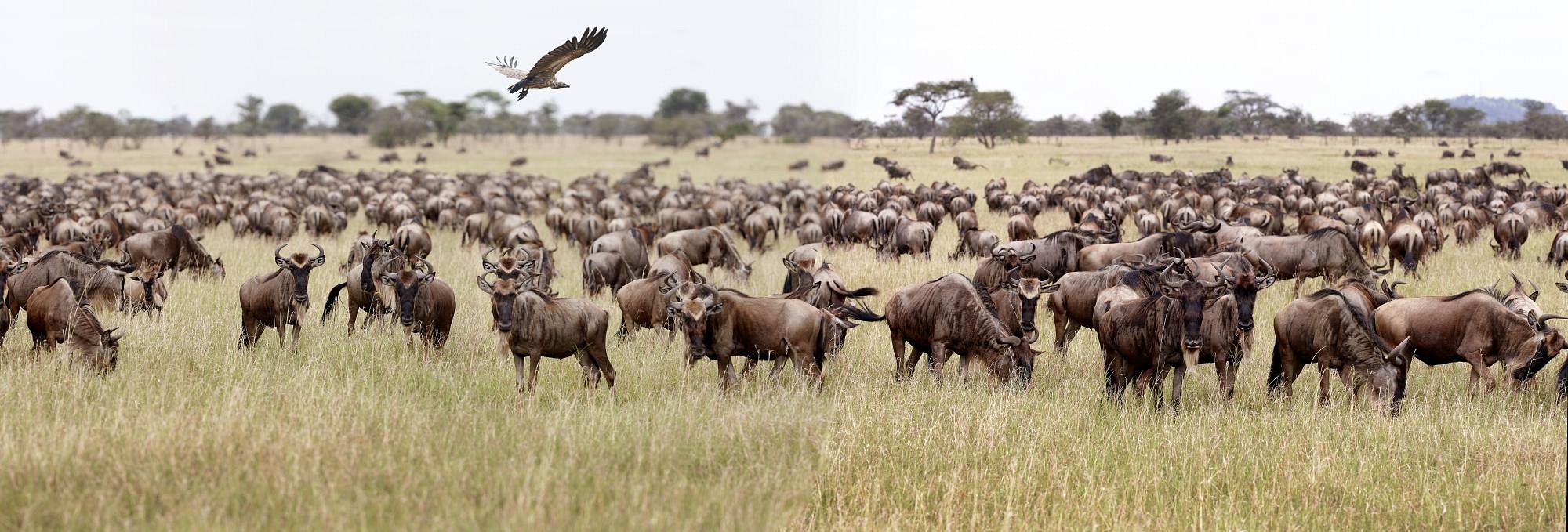
The Tarangire River is another major feature of the park. During the dry season, it becomes an important water source, attracting elephants, buffalo, zebras, wildebeest and other wildlife from the surrounding ecosystem.
The park is also recognized for its rich birdlife, with more than 550 bird species recorded. This makes Tarangire an especially interesting destination for travellers who enjoy combining big-game viewing with birdwatching.
Wildlife in Tarangire National Park
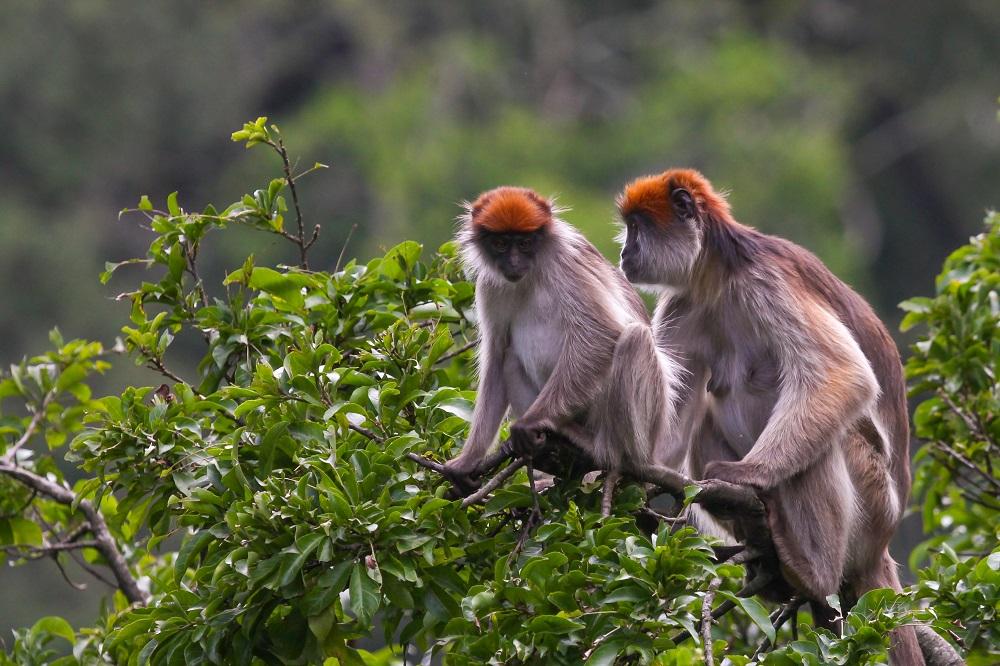
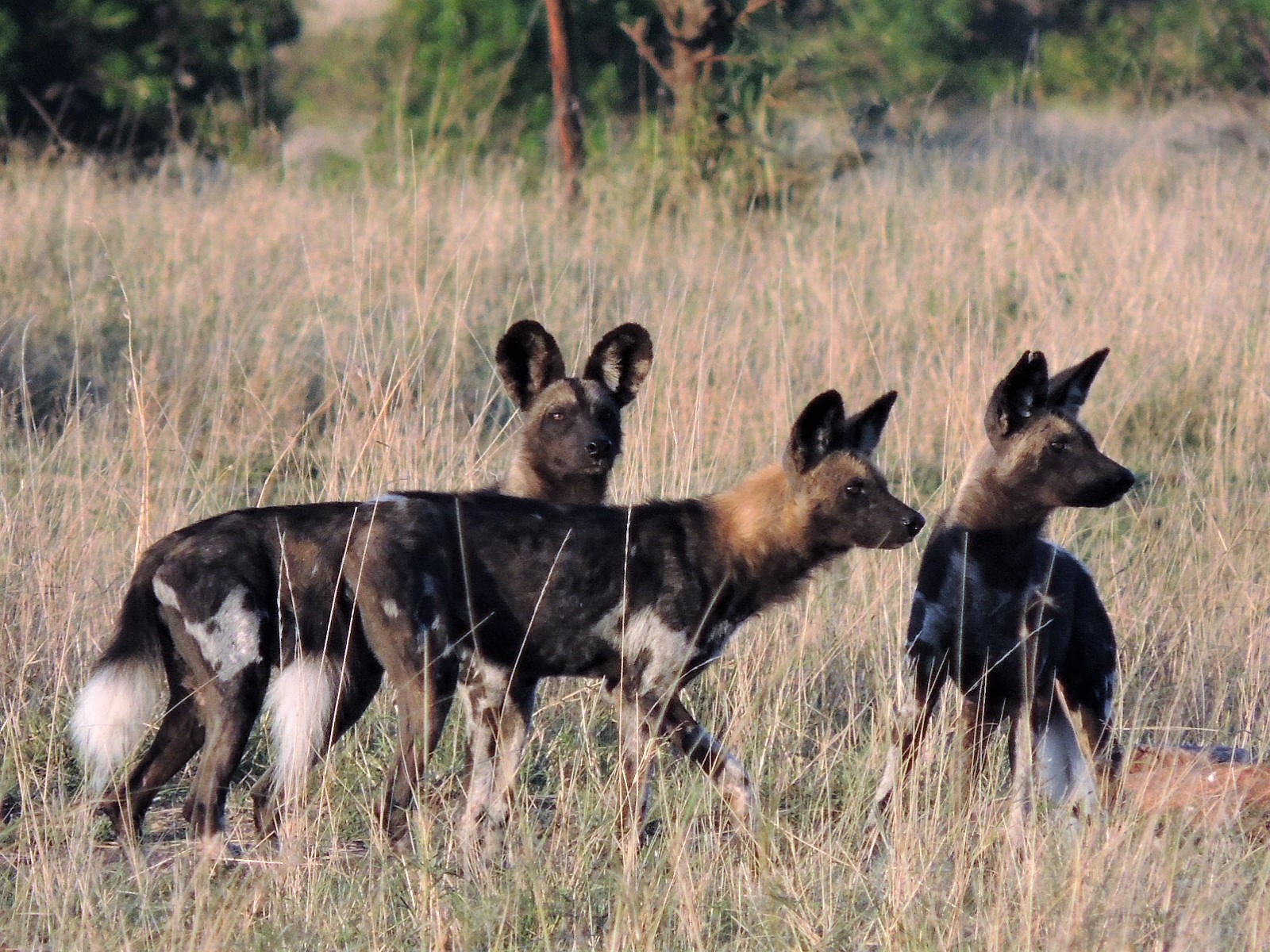
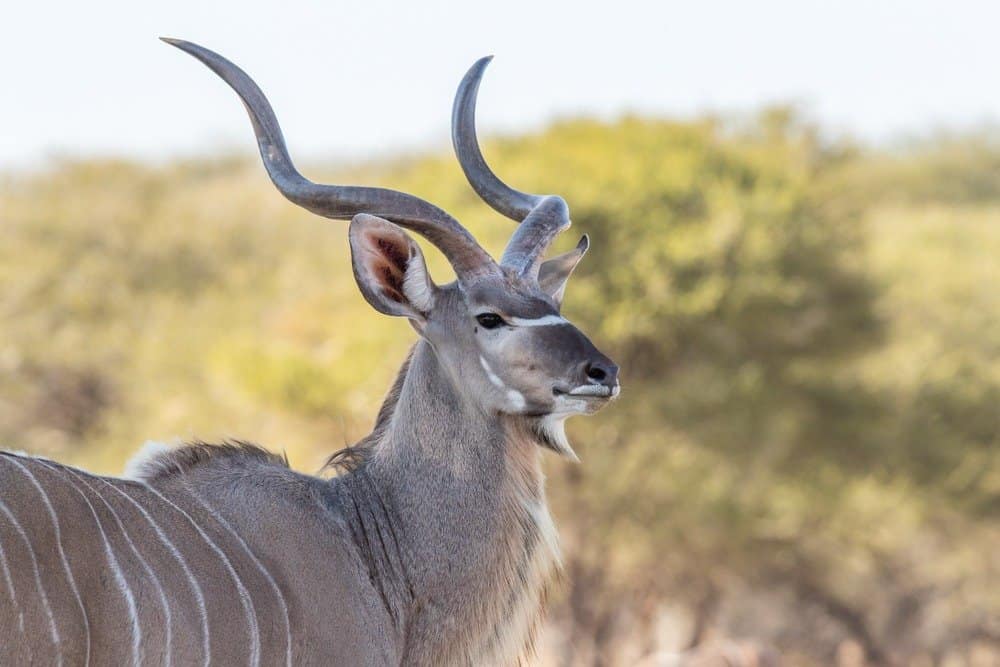
Tarangire provides excellent opportunities to see a wide range of African wildlife. Elephants are one of its biggest attractions, but they are far from the only animals found here.
Depending on the season and area explored, visitors may encounter:
- Elephants
- Lions
- Leopards
- Giraffes
- Zebras
- Wildebeest
- Buffalo
- Eland
- Gerenuk
- Warthogs
- Hyenas
- Ostriches
- Various antelope species
Predators such as lions, leopards and hyenas inhabit the park, while the diverse habitats support a large variety of herbivores and smaller wildlife.
Wildlife sightings are never guaranteed, but travelling with an experienced safari guide can make a significant difference. Your guide can help identify animal behaviour, locate wildlife and explain the ecology of the park.
.
The Elephants of Tarangire
Elephants are one of the defining features of a Tarangire safari.
Large family groups can often be observed moving across the plains, feeding among the trees or approaching the river to drink. Watching elephants at close range while maintaining a safe distance can be one of the most memorable experiences of a safari.
The combination of elephants, baobabs and open grassland gives Tarangire a character that is quite different from other parks in northern Tanzania.
.
Baobab Trees and Tarangire's Landscape
One of the first things many visitors notice in Tarangire is its striking collection of baobab trees.
These enormous trees rise above the grasslands and woodland areas, creating some of the most recognizable scenery in northern Tanzania. Their unusual shapes and massive trunks provide a dramatic backdrop for wildlife photography.
Alongside the baobabs, the park contains open grasslands, acacia woodland, riverine vegetation and seasonal wetlands. This variety of habitats helps support the park’s diverse wildlife.
Best Time to Visit Tarangire National Park
Tarangire National Park is open to safari visitors throughout the year, and each season offers a different experience. Your ideal travel period will depend on whether you are mainly interested in concentrated wildlife sightings, green scenery, birdwatching or a quieter safari atmosphere.
June to October – Dry Season
The dry months are a popular time for a Tarangire safari. With less surface water available across the surrounding area, many animals move toward permanent water sources and areas where food remains available.
During this period, you may have good opportunities to see elephants, buffalo, giraffes, zebras and other wildlife while exploring the park on game drives.
What to expect:
- Strong opportunities for wildlife viewing
- Good chances of seeing elephant families
- Dry, open landscapes
- Pleasant conditions for game drives
- Excellent opportunities for wildlife photography
November to February – Green Season
The arrival of seasonal rains transforms Tarangire into a greener and more vibrant landscape. Wildlife is more widely distributed, while the fresh vegetation creates beautiful scenery for photography.
This period is also appealing to birdwatchers, as many bird species become particularly active and the park’s habitats provide excellent opportunities for spotting different species.
What to expect:
- Green and attractive landscapes
- Seasonal rainfall
- Excellent birdwatching opportunities
- Fewer visitors in some periods
- Good conditions for photographers who enjoy lush scenery
March to May – Long Rains
The long-rain season brings heavier rainfall and fewer visitors compared with the busier dry months. The park becomes lush, creating a peaceful atmosphere for travellers who prefer quieter safari experiences.
Some roads and tracks can become more difficult after heavy rain, so your safari itinerary should be planned with current conditions in mind.
What to expect:
- Lush vegetation
- Fewer safari vehicles in some areas
- Fresh and colourful scenery
- Good opportunities for photography
- Potentially wetter road conditions
There is no single perfect month for everyone. The best time to visit Tarangire National Park should be chosen according to your interests, the length of your trip and the other destinations included in your Tanzania safari.
Things to Do in Tarangire National Park
Game Drives
A game drive is the main way to discover Tarangire National Park. Travelling through different habitats gives you the opportunity to look for elephants, giraffes, zebras, buffalo, lions and other wildlife.
A private safari also gives you greater flexibility. You can discuss your interests with your guide and spend more time observing wildlife when an interesting sighting takes place rather than following a fixed group schedule.
Wildlife Photography
Tarangire is a rewarding destination for photographers because its scenery combines wildlife with distinctive natural features.
Elephants moving beneath baobab trees, giraffes crossing open grassland and animals gathering around water can all create memorable photographic opportunities. Morning and afternoon light can also add atmosphere to the landscape.
Birdwatching
Tarangire National Park is an excellent destination for bird enthusiasts, with a wide variety of species found across its grasslands, woodlands, wetlands and areas close to the river.
Birdwatching can be incorporated into a regular game drive, particularly for travellers who want to slow down and spend more time observing smaller wildlife and bird behaviour.
Guided Walking Experiences
Walking provides a different way to appreciate the Tarangire ecosystem. Instead of viewing the landscape entirely from a safari vehicle, you can pay closer attention to animal tracks, plants, insects and other smaller details.
Walking activities should always be arranged through authorized operators and follow the applicable park safety requirements.
Bush Meals and Sundowners
Depending on your accommodation and safari arrangements, you may have the opportunity to enjoy a meal in a designated bush setting or watch the sunset from a scenic location.
These experiences add a more personal and relaxed element to a Tarangire safari, particularly for couples and travellers celebrating a special occasion.
How to Get to Tarangire National Park
Tarangire National Park is one of the more accessible destinations on Tanzania’s Northern Safari Circuit. Most travellers arrive by road from Arusha, making it a practical first or early stop on a Northern Tanzania safari.
The road journey from Arusha generally takes around two and a half to three hours, depending on the route, traffic and road conditions.
Travellers who prefer to reduce road travel can also consider a scheduled or charter flight to an airstrip serving the Tarangire area.
For a classic Northern Tanzania safari, one possible route is:
Arusha → Tarangire → Ngorongoro → Serengeti
This itinerary allows you to experience several different landscapes and wildlife areas during one private Tanzania safari.
Where to Stay in Tarangire National Park
Travellers visiting Tarangire can choose from different types of accommodation, including campsites, tented camps and safari lodges. Your choice will depend on the level of comfort you prefer, your budget and how much time you want to spend close to the park.
For a mid-range private safari, comfortable lodges and tented camps can offer a good combination of location, service and value without making the trip unnecessarily expensive.
Travellers planning a luxury Tanzania safari can choose more exclusive camps and lodges where privacy, refined service and the surrounding natural environment are central to the experience.
When selecting accommodation, it is worth considering not only the room itself but also its location, access to the park and how well it fits with the rest of your safari itinerary.
Why Include Tarangire in Your Tanzania Safari?
Tarangire has its own character and should not be viewed simply as an alternative to Serengeti or Ngorongoro.
Its landscape is shaped by large baobab trees, open grasslands, woodland areas and the Tarangire River. Together, these features create a setting where wildlife can be enjoyed in a very different environment from the open plains of the Serengeti or the enclosed landscape of the Ngorongoro Crater.
Tarangire is a particularly good choice if you are interested in:
- Seeing large elephant families
- Photographing baobab trees and wildlife
- Exploring a less uniform safari landscape
- Combining wildlife viewing with birdwatching
- Enjoying a private game drive
- Starting a Northern Tanzania safari from Arusha
- Combining Tarangire with Ngorongoro and Serengeti
For travellers with limited time, Tarangire can also work well as a one-day safari from Arusha.
Tarangire, Ngorongoro and Serengeti Safari
Combining Tarangire with Ngorongoro and Serengeti creates a well-rounded Northern Tanzania safari. Each destination offers a different environment and style of wildlife experience.
One popular route is:
Arusha → Tarangire → Ngorongoro → Serengeti
If you have additional time, another option is:
Arusha → Tarangire → Lake Manyara → Ngorongoro → Serengeti
The first route is suitable for travellers who want to prioritize Tarangire, Ngorongoro and Serengeti. The second provides an opportunity to add Lake Manyara to the journey.
For travellers choosing a private Tanzania safari, the itinerary can be adjusted according to your travel dates, interests, accommodation preferences and budget.
Sana Wild Experience can help arrange a tailor-made journey that brings together the destinations and experiences that matter most to you.
Frequently Asked Questions About Tarangire National Park
Where is Tarangire National Park located?
Tarangire National Park is in northern Tanzania, southwest of Arusha. Its location makes it a convenient destination to include in a Northern Tanzania safari.
What is Tarangire National Park famous for?
Tarangire is particularly well known for its elephants, large baobab trees, diverse wildlife and the Tarangire River. These features give the park a distinctive character within Tanzania’s northern safari circuit.
When is the best time to visit Tarangire?
June to October is a popular period for wildlife viewing because animals are more likely to gather around dependable water sources. However, the green season can also be rewarding for birdwatching, photography and travellers who enjoy lush landscapes.
Can I visit Tarangire on a day trip from Arusha?
Yes. Tarangire is close enough to Arusha to make a day safari possible. However, staying overnight gives you more time to explore the park without having to return to Arusha on the same day.
What animals can I see in Tarangire?
Wildlife commonly encountered in Tarangire includes elephants, giraffes, zebras, wildebeest, buffalo, lions, hyenas and several antelope species. Birdlife is another major attraction.
Is Tarangire worth visiting?
Yes. Tarangire is especially worthwhile for travellers who enjoy elephants, distinctive landscapes, baobab trees and a quieter alternative to some of Tanzania’s more heavily visited safari areas.
How many days should I spend in Tarangire?
A full-day visit can give you a good introduction to the park. If you prefer a slower pace, photography or more extensive exploration, an overnight stay can provide a more relaxed experience.
Plan Your Tarangire National Park Safari
A visit to Tarangire National Park offers more than a chance to see wildlife. It is an opportunity to experience a landscape shaped by ancient baobabs, seasonal changes, open plains and the movement of animals across the ecosystem.
Whether you are looking for a private Tanzania safari, a comfortable family journey, a photography-focused trip or a luxury Tanzania safari, Tarangire can be combined with destinations such as Ngorongoro and Serengeti to create a memorable Northern Tanzania adventure.
Contact Sana Wild Experience to start planning your Tarangire National Park safari and create an itinerary around your travel style.